Volcanic Ash Reaches India as Delhi’s AQI Remains ‘Very Poor’
Delhi’s pollution stayed in the “very poor” range despite cloud seeding, with volcanic ash from Ethiopia raising concerns that experts say will not significantly impact AQI.
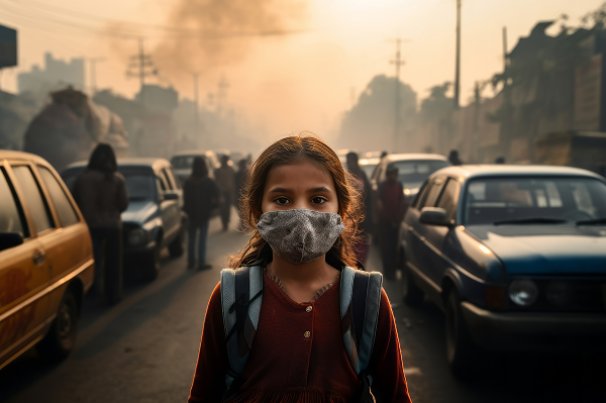
Air pollution in Delhi is getting worse every day, even though the government has taken stricter steps to control it and recently spent several crores on cloud seeding to create artificial rain. Today early morning the level of AQI was 364, which means the air quality was in “very poor” range, according to the Early Warning System. Most parts of the city had AQI levels above 300. Anand Vihar recorded 401, ITO had 379, Najafgarh 332, Narela 377, Punjabi Bagh 391 and Wazirpur 400. All indicating very unhealthy sir quality.
Neighbouring cities were also badly affected. Noida’s AQI was 419, Greater Noida recorded 340 and Gurugram stood at 351. All indicating very poor to severe air quality. Volcanic ash from Ethiopia raised worries about Delhi’s air quality, but experts say it is unlikely to make much difference to the city’s pollution levels.
As Delhi-NCR residents continued to breathe polluted air, a large cloud of volcanic ash from Ethiopia’s Hayli Gubbi volcano which erupted for the first time in thousands of years has reached northwest India on Monday night, according to meteorological experts. This raised concerns about whether it would worsen the already very poor air quality.
Will volcanic ash affect Delhi’s AQI?
What's Your Reaction?