Growing demand for transparency, hygiene, traceability, and convenience is driving interest in branded aquaculture and reshaping India's seafood market.
Fish products in India have traditionally been consumed like a normal market purchase, without being branded. The majority of customers prefer buying fresh fish directly from their vendors. It does not matter whether or not the consumers have knowledge about the source of fish and hygienic practices while fishing and processing them. This trend is changing gradually.
As urban consumers become more conscious about what they eat, where it comes from, and how it is handled, seafood consumption patterns are gradually evolving. It is no longer only about freshness and price. It is also about trust, convenience, and the confidence that the product has been handled safely from source to plate. That shift is creating opportunities for branded aquaculture to emerge as a growing category in India’s food market.
At first glance, the idea may sound unusual. Fish has traditionally belonged to the world of wet markets, not packaged goods. Interest in branded aquaculture is on the rise for both consumers and businesses. With the success that milk, commodities, snacks, and even fresh produce have had using branding and distribution methods to gain consumer loyalty, seafood could be the next industry.
What is interesting about this development is the point where it intersects with two important trends in India. The first is the rise of health-led food choices. The second is the growing comfort with buying food through structured, modern channels. Together, these trends are creating demand for seafood products that offer consistency and transparency.
Dam Good Fish is one of the companies operating in this emerging segment. The brand positions itself around a “dam to plate” model, sourcing seafood from dam waters and emphasising freshness, cleanliness, and a controlled supply chain. The company states that its focus is not only on freshness, but also on providing greater visibility into the journey from source to consumer.
That idea matters because seafood has always carried a trust gap in the Indian consumer’s mind. Many households, especially in cities away from the coast, are cautious about fish because they are unsure about how it was sourced, stored, or transported. Freshness is important, but so is reassurance. A branded model aims to address that gap by making the process more transparent.
That’s where FMCG comparison can come in handy. As for the FMCG, brands are successful when they eliminate uncertainty from consumers’ minds. Every purchase gives them the exact same thing. It works the same way with seafood, as long as standardization, cleanliness, proper packaging and delivery are ensured.
In many ways, this is what branded aquaculture is trying to do. It does not change the fact that fish is a perishable, highly sensitive product. But it does try to change the way consumers experience it. Instead of being a category people buy only when they feel confident enough to go to a market, it becomes something they can order, trust, and repurchase with less hesitation.
The timing for this shift is not accidental. India’s food habits are changing rapidly, especially in urban markets. Consumers are more willing than before to spend a little more if they believe they are getting better quality, safer handling, and greater convenience. They are also more open to food stories that connect health, sustainability, and origin. Seafood companies that address this consumer preferences may be better positioned to build long-term trust.
At the same time, the category cannot succeed on branding alone. Seafood is not like a packaged snack or a shelf-stable staple. It demands cold-chain discipline, careful handling, and strong operational execution. If the supply chain fails, the brand promise fails with it. That is why the real test for branded aquaculture lies not in how polished the packaging looks, but in how consistently the product performs.
Sustainability is another part of the story. Consumers today are not only asking whether food is fresh. They are also asking whether it is responsibly sourced. In that sense, the appeal of dam-based or traceable seafood extends beyond commercial considerations to consumer perceptions of sustainability and transparency. Consumers get the feeling that they are choosing a product that is cleaner, more thoughtful and less divorced from nature.
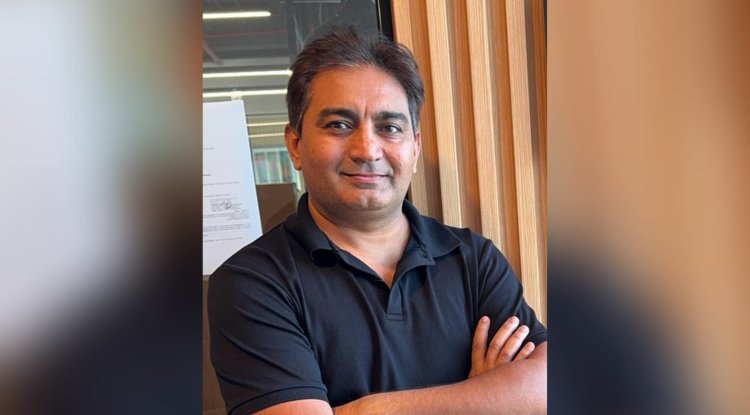
Shailesh Patel, Co-founder, Dam Good Fish, said: “Consumers are increasingly interested in the provenance of their food, how it is being handled and if it can be traced back to a known source. In seafood, in particular, the concern is not only about freshness but also about having assurance on hygiene, safety and responsible sourcing. This wider change in consumer expectations is allowing structured seafood companies to distinguish themselves in the market.
Still, the road ahead is not simple. Seafood in India is deeply regional, and food habits vary widely across states and communities. What works in one market doesn’t necessarily work in another. Pricing is another challenge. If branded seafood becomes too expensive, it risks being confined to a narrow premium segment. The category will have to strike a balance between quality and accessibility to scale.
There is also a cultural aspect to it. Fish buying in India is often personal, seasonal and local. It is shaped by habit as much as by preference. A branded model will need to respect that reality instead of trying to override it. The most successful players are likely to be those that feel familiar to consumers, even as they modernise the buying experience.
Despite these issues, the category is still attracting attention. The consumer in India is already beginning to demonstrate increasing interest in protein-oriented food, clean production processes, and meals that are well suited for city life. Should branded aquaculture be able to achieve this while maintaining the fresh appeal of seafood, then it will prove to be an interesting trend in Indian cuisine.
In that sense, the question is not whether branded aquaculture can replace the traditional seafood market. It probably will not. The more relevant question is whether it can build a parallel market that serves a growing segment of consumers who want seafood to be safer, easier, and more dependable to buy.
That is where the FMCG analogy begins to hold. Not because fish will suddenly become like biscuits or noodles, but because the consumer mindset around it may start to resemble those categories: regular, brand-led, quality-conscious, and convenience-driven.
The concept of branded aquaculture in India is still in its infancy, yet the sector keeps progressing. Branded aquaculture can lead to more uniformity and increased transparency in the sector. This can be a step towards enhancing accessibility along with meeting consumer demands.
If that happens, it could reflect a broader shift within the seafood sector. It could be part of a broader change in how India buys, trusts and consumes seafood.
What's Your Reaction?