A new study finds subway systems in major cities are becoming increasingly hot as rising surface temperatures, train operations and urban heat accumulation raise underground heat levels.
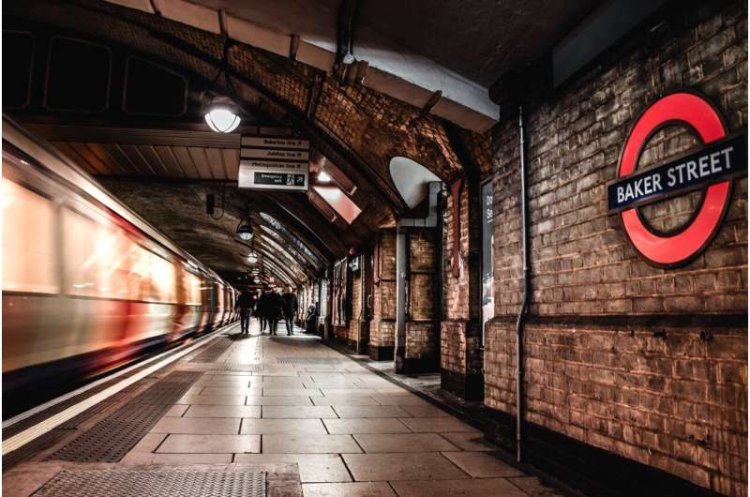
Subway systems in major cities are becoming increasingly uncomfortable due to rising underground temperatures, according to a recent study published in the journal Nature Cities. According to the study, increasing temperatures at ground level are highly correlated with reports of heat discomfort among subway users.
The study analyzed over 85,000 public posts and online reviews made by subway users in various cities, including New York, Boston, and London, between 2008 and 2024. The analysis of these online reviews found that higher ground-level temperatures are strongly linked to increased reports of heat discomfort among subway users. As temperatures at ground level increase, the number of reports of heat discomfort also rises. According to the study, in Boston, for every 1°F increase in ground-level temperature, the number of reports of heat discomfort among subway users increased by 10%. Similarly, in New York, reports increased by 12%, and in London, the increase was 27% for every 1°F rise in ground-level temperature.
There are also several reasons why the heat in subway tunnels increases. For instance, the trains produce heat due to their braking systems, electrical systems, and lighting. In addition, human heat from large crowds also contributes to the heat. However, due to the fact that tunnels are closed spaces, the heat produced in the tunnels does not have an easy escape.
The urban infrastructure also contributes to the heat in the tunnels. This is due to the fact that in cities, the urban heat island effect occurs. This effect occurs due to the fact that cities have surfaces that can absorb heat. This heat is then transferred to the underground tunnels. This heat has been able to build up underground, thus forming what can be termed as underground heat reservoirs.
This may be especially true of older systems, like those found in London and New York, which were built many decades ago when technology and ventilation requirements were very different from today. In some areas of the London Underground, temperatures have been recorded at over 40°C, demonstrating the problem experienced in previous times.
The study suggests that by understanding when and where passengers are most uncomfortable, transportation authorities can better plan to alleviate the problem. Rather than working to keep the entire system at a comfortable temperature, they might target specific areas or times of day when temperatures are highest.
The study serves as an interesting example of the relationship between climate change and infrastructure, especially as it relates to daily life, like commuting to and from work. As temperatures around the world continue to rise, changes may be necessary to keep commuters comfortable on the subway.
What's Your Reaction?