The UK has delayed mandatory household collection of soft plastics until 2030 because recycling infrastructure is not yet ready. Here is what the decision means for consumers, producers and waste management.
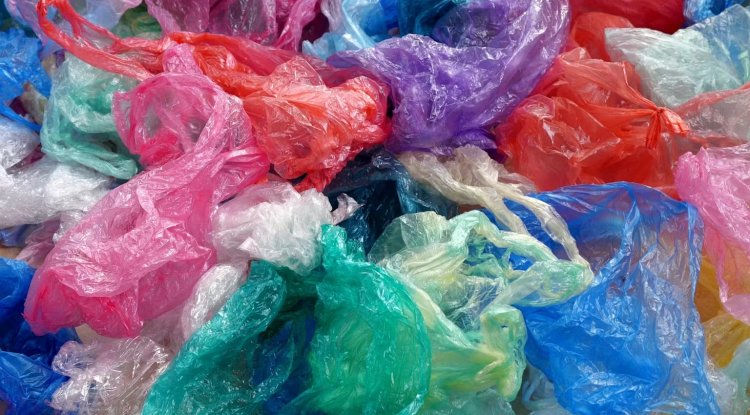
According to an article posted on Phys.org using data provided by The Conversation, the British government has delayed the required recycling of soft plastics from 2027 to 2030 due to the conclusion that the country’s recycling system is not yet ready to deal with soft plastics on a nationwide scale. This postponement has been made with respect to the expansion of kerbside recycling efforts.
Soft plastics make up a significant portion of household packaging, yet they are among the hardest materials to recycle. With the delay, consumers will have to endure for some time before being able to recycle such products.
What are soft plastics?
Soft plastics are lightweight and flexible packaging materials commonly used for bread bags, crisp bags, plastic film, frozen food bags, carrier bags, and plastic wrappers.
Soft plastics differ from plastic bottles or containers because the former are usually made up of multiple layers of materials, making them difficult to recycle through traditional recycling centers.
Why is the recycling scheme being postponed?
According to the government, the recycling plants and waste management systems are currently not ready to process soft plastics from all households. Although it was initially expected that the material would be collected by councils starting from 2027, it was determined that there would be no necessary infrastructure available until then.
How does producer responsibility work?
The UK has implemented Extended Producer Responsibility (EPR) in relation to packaging. This is a system through which the producers are required to bear the cost of packaging waste recycling.
Producers will pay for their packaging that appears on the market. In this way, the waste management cost is passed onto producers rather than being paid by the public.
It is important to note, however, that there may still be issues surrounding the cost-effectiveness of flexible lightweight plastic since it remains one of the most difficult materials to recycle.
What does the delay mean?
For the time being, consumers will have to rely on supermarkets' collection schemes if they want to recycle soft plastic.
It should be emphasized that the postponement until 2030 shows that recycling rates depend not only on legislation but also on the ability to collect, sort and recycle different types of materials.
There will still be millions of tons of soft plastic packaging that have little or no opportunities for proper recycling.
What's Your Reaction?