Wildlife Reclaims Eaton Fire Burn Area in Altadena
Wildlife returns to the Eaton Fire burn area in Altadena as volunteers and scientists document post-wildfire ecosystem recovery, highlighting new vegetation growth, the return of native species, and ongoing conservation efforts.
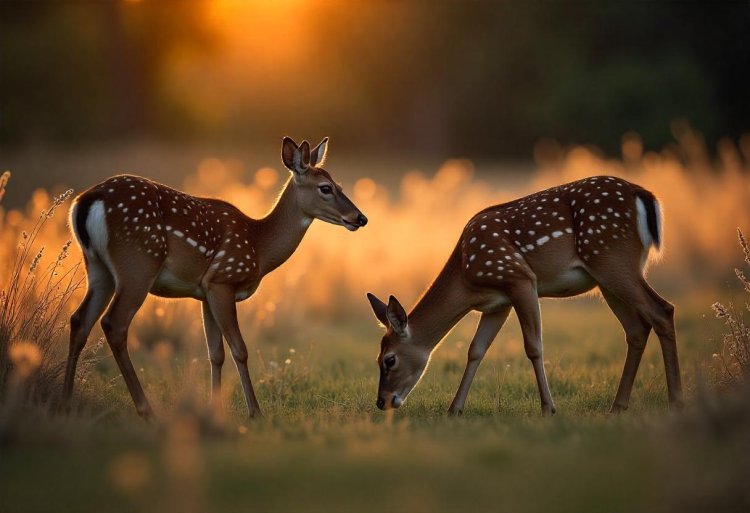
Four months since wildfires raged through Angeles National Forest and ravaged areas of Altadena, California, wildlife is beginning to return to the Eaton Fire burn zone. The area, which was once stripped bare and blackened, is now indicating ecological recovery. Beyond the rubble of destroyed homes, new greenery and higher bird activity portend nature's resilience. Trail cameras placed by volunteers from the Chaney Trail Corridor Project have captured the return of numerous species, including the spotting of a mountain lion as early as March 26. Volunteers, who are many of the residents who were impacted by the fire, have been methodically documenting the return of wildlife and vegetation. The Chaney Trail Corridor, which sits near residential areas, was scheduled for development even before the blazes. Group efforts, though, have become focused on writing down and sustaining the biodiversity in the area. The fire raged unevenly and destroyed lots of land yet spared patches of trees and bits of green places, providing openings for some fauna to seek haven amid the debacle. There has been no find of dead animals, though observations recorded injuries among wildlife, which include a deer and a bear. Heavy showers after the blaze helped immensely with the quickening of the restoration of the site, aiding new vegetation to break out around scorched San Gabriel oak trees, a native Californian species endemic to Southern California. The territory has also welcomed yellow mustard blooms, an invader species known to complicate efforts at reintroducing native plant life. Continuing research in conjunction with UCLA scientists is being done to examine the post-fire effect on bird and bat populations. Volunteers have documented evidence of active wildlife activity, such as bobcat scat, deer tracks, and red-tailed hawks performing natural mating rituals. With ongoing observation and scientific assistance, the recovery of the Eaton Fire zone is providing important insights into ecosystem recovery after fire while documenting the resilience of native species and the necessity for prolonged conservation efforts.
Source/Credits:
Associated Press | Reporting: Jaimie Ding | Photo Credits: Damian Dovarganes/AP
What's Your Reaction?