The World Bank has approved financing to support Tata Power’s Dorjilung hydropower project in Bhutan
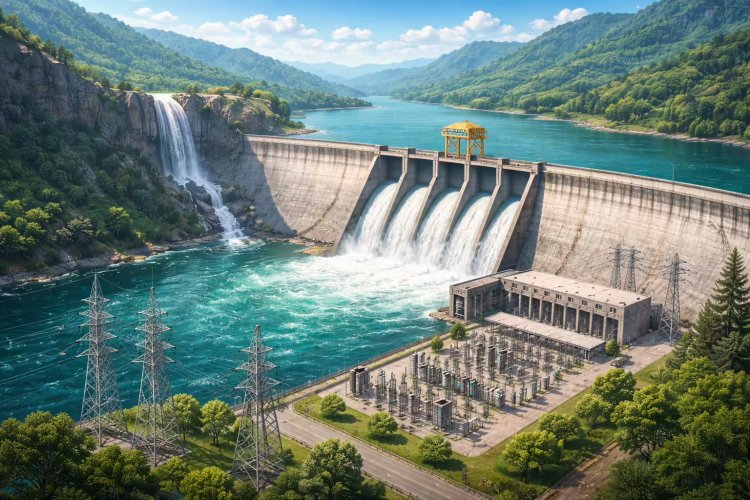
The World Bank has sanctioned a loan for the Tata Power-led Dorjilung hydropower project in Bhutan, one of the largest renewable energy projects being implemented by the power major. The clearance is a major hurdle in the advancement of one of Bhutan’s biggest hydropower projects, designed to boost clean energy production and regional electricity trade.
As per the company, the Dorjilung project has started construction in eastern Bhutan. It is part of long-standing cooperation between Bhutan and India in the hydropower sector and supports wider regional goals for clean energy and energy security.
Project Overview and Key Participants
The Dorjilung hydropower project is being developed between Tata Power and some Bhutanese public sector entities. The project has been developed as a giant run-of-the-river hydropower project with an installed capacity of more than 1000-MW after completion.
Hydropower is the cornerstone of Bhutan’s energy system, making up the bulk of the country’s domestic electricity generation and its primary source of export revenue. The Dorjilung scheme, which is supposed to provide a big boost to production, is meant to support Bhutan’s strategic aim to generate revenue from its renewable energy resources while developing along low-carbon paths.
The project is likely to generate power mainly for export, especially to India, but also for boosting grid stability and economic growth inside Bhutan, according to a top media company.
World Bank Financing Structure
The sanctioned financing of the World Bank (WB) is designed to enable the PSEs’ participation in the project, as well as to build institutional and financial capacity with regard to hydropower development. The financing is intended to mitigate project risk, increase access to long-term capital and ensure compliance with international environmental and social standards.
Long-term loans are intended to cover the building and operation phases. It also reflects the World Bank’s increased involvement in South Asia’s clean energy transition, with renewable generation and cross-border electricity cooperation.
The approval demonstrates confidence in the project’s technical design, in its governance framework and previous and expected levels of economic returns, particularly in the light of increasing regional electricity demand.
Importance for Bhutan’s Economy
Hydropower exports are a vital source of revenue for Bhutan and underpin substantial portions of government revenue, foreign exchange earnings, and the overall economic stability of the country. Major projects such as Dorjilung are, however, believed to provide the key to sustainable growth in the face of ageing plants.
The construction of new hydropower capacity also creates jobs and infrastructure in isolated areas. In the longer term, export earnings will fund government expenditure on social services and development areas.
The project is consistent with Bhutan’s policy priority of environmentally sustainable development in light of hydropower’s relatively low levels of emissions during operation compared to coal-based alternatives.
Regional Energy Cooperation Framework
The Dorjilung project comes under the “energy cooperation agreement” between Bhutan and India to sell excess electricity produced in Bhutan to the world’s most populous country. This cooperation facilitates the two countries’ energy security and regional grid integration.
Bhutanese hydropower exports continue to be dominated by India, with long-term PPA arrangements ensuring revenue stability. Tata Power's involvement represents the continuation of private sector engagement with public institutions, in the cross-border energy initiative.
A leading media house reports that demand growth in electricity in the region and its decarbonisation ambitions will underpin the longer-term demand for hydropower exports from Bhutan.
Environmental and Regulatory Considerations
Extreme high-altitude large dams are being increasingly scrutinised for environmental and social impacts in the Himalayan region. The Dorjilung project has been reviewed several times in connection with the potential impacts on river systems, on local communities and on the use of water downstream.
Involvement by the World Bank brings additional requirements on environmental safeguards, social inclusion, and risk management. These frameworks are designed to increase the likelihood that the project realisation complies with international norms and reduces the unwanted effects of the project. Continual supervision and adherence is anticipated to be exercised during the construction and operation.
Project Outlook and Forecast
Following financial closure, the Dorjilung hydropower project is likely to advance towards late-stage construction in the next phase. Time frames will be influenced by regulatory approvals, seasonal weather and the pace of work of project partners.
When operational, this project will materially increase Bhutan’s hydropower capacity and consolidate its status as a major source of renewable electricity in the region. The deal also exemplifies the rising prominence of multilateral lending in building large-scale clean energy infrastructure in South Asia. This approval marks a significant step for Tata Power to consolidate its regional renewable energy portfolio and for Bhutan in its continued thrust for hydropower-led development.
What's Your Reaction?