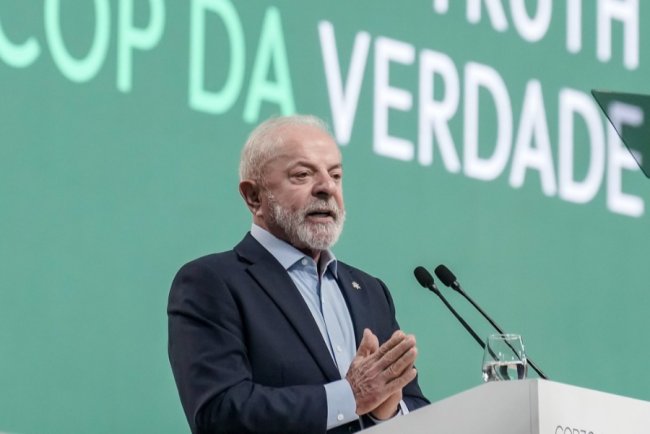
Unless there is expanded and coordinated international action, the report says, forests can't provide the many environmental, economic and social benefits that people require today and in the future

Although significant steps have been taken in the protection and restoration of the world's forests, the current actions and commitments are insufficient to achieve the Sustainable Development Goals (SDGs) 2030 target, according to a new global assessment released by the UN. While the report makes positive strides towards meeting the Global Forest Goals 2026, it also notes areas where action is needed to protect important forest ecosystems and accelerate the work toward them.
Deforestation has decreased in some areas and reforestation and restoration programmes have led to a rise in tree cover in some countries, the report reveals. Some of these efforts have helped to reduce net forest losses in some parts of the world, and without an accurate account of the policy and investment needed to achieve positive outcomes, they would have had little effect. Overall, however, the pace of change is not fast enough to overcome the long-term trend of forest decline.
Forests contribute to the maintenance of climate, biodiversity, water security and rural livelihoods in critical ways. However, forest degradation in various countries is occurring due to pressures such as agricultural encroachment, unsustainable logging activities and infrastructure development. Unless stronger sets of commitments and effective implementation can help achieve important SDG goals to ensure life on land and to mitigate climate change and sustainable resource use, the world continues to fall short, the report warns.
The report also called for stepped-up investment in forest restoration, enhanced governance to support indigenous and local communities dependent on forests for their livelihood, and to slow deforestation. Experts stress the need for the inclusion of people in decision-making and in the sharing of benefits to ensure sustainable forest management.
The assessment also highlights that funding for forest protection is limited and that less is being provided than is needed for an upscaling shift towards restoration and conservation. This funding gap will be essential to fulfil forest commitments on time.
The United Nations urged greater cooperation, financial support and incorporation of forest conservation in a broader climate and development strategy by stakeholders in the public, private and civil sectors. Unless there is expanded and coordinated international action, the report says, forests can't provide the many environmental, economic and social benefits that people require today and in the future.
What's Your Reaction?