Italy's Po River is running below seasonal levels as extreme heat and limited rainfall raise concerns over irrigation, crop yields and water supplies across the country's farming heartland.
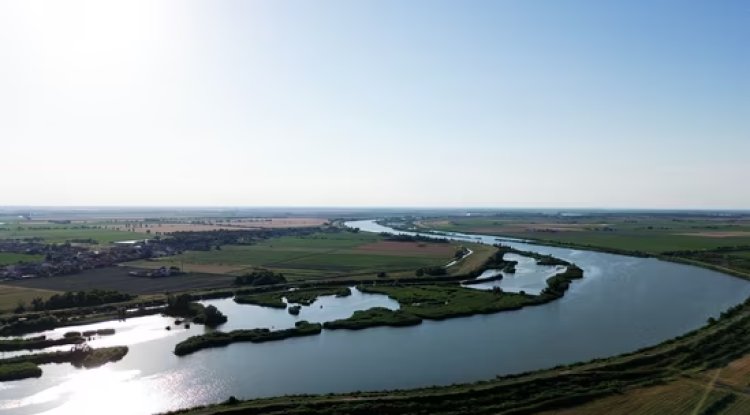
The Po River, which is the longest river in Italy, has hit an all-time low during the month of June, raising fears about water shortages in the agricultural heartlands of Italy. The levels have decreased irrigation capabilities, allowed seawater to move upriver, and caused problems for farmers struggling with hot and dry weather conditions.
According to ANBI, the Italian irrigation agency, the levels have fallen below 300 cubic metres per second, way below the seasonal average of around 1,500 cubic metres per second. According to officials, the decrease has happened weeks ahead of expectations, leaving no time for preparations for the upcoming irrigation season.
"This has never happened before at the start of the summer," Stefano Calderoni, from ANBI, told AFP.
Po River extends 650 kilometres across northern Italy and serves the area that is home to some of the best farmland in Europe. The basin is used to cultivate crops such as rice, maize, soybeans, and sunflowers. It is also used as a source of water for dairies that supply milk for Parmesan cheese production.
As a result of decreased river flows, the seawater of the Adriatic Sea has managed to get to within 20 kilometers of its source. Seawater has polluted freshwater canals utilized for irrigation, forcing the local authorities to block some canals to keep saltwater from going further onto the agricultural lands.
For many farmers, these restrictions happen when the growing season is just about to reach its peak. According to Federica Vidali, an agricultural worker in the delta, part of her sunflower crop had started to die off because of the shortage of water supplies.
"The waters left to us by others. We are not second division farmers," said AFP.
According to the water managers, existing barriers built for the prevention of saltwater intrusion into the delta will function efficiently only under increased river flows. Water managers call for cooperation from the regional authorities in order to regulate water supply during the drought period.
There are waters in the reservoirs of the Alps where the Po River originates, but their level decreases because of the increasing need for irrigation water. Officials are warning about the rapid reduction of water reserves in case of continued dryness and abnormal heat.
Northern Italy experienced one of its worst droughts in decades in 2022, but this year's conditions have developed much earlier. With summer only beginning, authorities say the coming weeks will determine whether water shortages deepen across the Po basin, affecting agriculture, freshwater supplies and river ecosystems.
What's Your Reaction?