Cigarette butts are the most commonly discarded form of litter worldwide. Their plastic filters release microplastics and toxic chemicals into the environment for years after being thrown away.
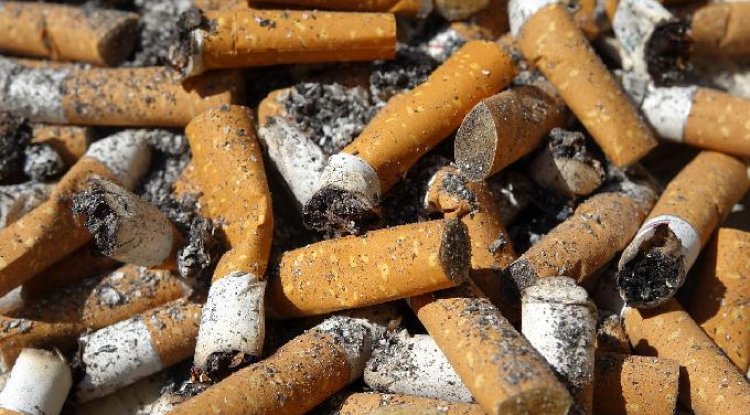
Cigarette ends are the most thrown-away type of litter around the globe, but the issue of cigarette litter attracts much less public attention than that of plastic bottle waste and food packaging products. Experts note that filters used in the majority of cigarettes could stay in nature for many years, slowly dissolving into plastic particles and toxic substances.
Approximately 4.5 trillion cigarette ends are littered across the globe annually. They often end up on the roadside, beach, park, and street as litter until they get transferred by wind and rain to rivers and oceans. Such wide distribution makes them the most frequently picked items from nature during anti-littering campaigns.
What are cigarette filters made of?
Although cigarette filters look like cotton, in most cases they consist of cellulose acetate, which is plastic. Being a non-biodegradable substance, the cellulose acetate disintegrates into plastic pieces when exposed to sunlight, heat, and moisture.
These pieces turn into microplastic substances, staying in nature long after the disappearance of cigarette filters themselves.
What makes used cigarette filters dangerous?
Besides being made of plastics, cigarette filters contain nicotine, tar, and other chemicals produced by burning tobacco. These contaminants can enter the environment if the filters are disposed of improperly and become part of the soil and water pollution.
Chemicals leached from cigarette filters are shown to be hazardous to aquatic life. They increase chemical pollution of water in addition to causing plastic pollution when the butts get washed into the rivers, lakes, and coastal waters.
Due to their size and lightness, cigarette filters are easily carried away from the location where they have been thrown.
How long do they stay in the environment?
Cigarette filters are claimed to persist in the environment for several years before they disappear. Instead of fully breaking down, they degrade and become even smaller pieces of plastic, which are challenging to clean up.
This feature of cigarette filters causes them to be a source of microplastics for many years after they have been thrown away.
What solutions have been proposed?
Several government agencies and municipalities have put in place fines for cigarette littering, have provided disposal containers, and have initiated awareness campaigns. There are even proposals from some researchers that tobacco companies be made responsible for funding the recycling process of cigarette waste.
While there have been some efforts by a few manufacturers to develop other forms of filters, the cellulose acetate filters continue to dominate the market.
According to researchers, if cigarette litter can be reduced through appropriate waste management strategies, it will help reduce the levels of plastic and chemical pollution in the environment.
What's Your Reaction?