World Plogging Championship Boosts Fitness-Driven Environmental Action
Plogging—a mix of jogging and litter collection—is gaining popularity as a sustainable fitness activity. The World Plogging Championship in Italy encourages global participation, with British teams promoting local events. This movement supports physical wellbeing and environmental awareness, offering an accessible solution to urban waste problems.
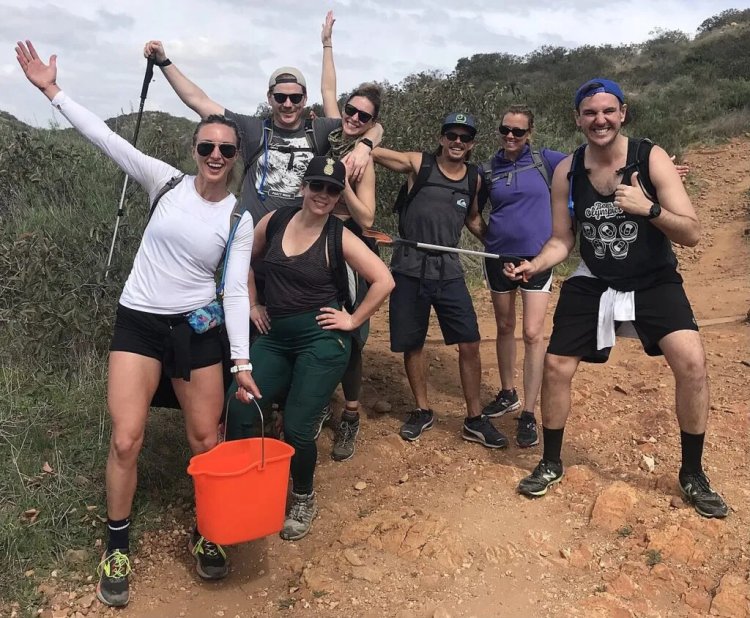
Plogging, a combination of jogging and picking up litter, is an international environmental movement. Plogging began in Sweden in 2016 and reached more than 100 countries with an estimated 2 million frequent users. The annual World Plogging Championship since 2021 in Italy has become an event featuring how individual fitness and environmentalism can harmoniously coexist.
In plogging, joggers stop to collect trash while jogging, incorporating bending, squatting, and stretching motions into their jogging. It provides a more holistic physical workout while cleaning up urban and natural landscapes. A variation activity, "pliking," enables hikers to pick up rubbish on trails. These activities provide low-barrier access for anyone of any age or physical capabilities to be able to make a contribution toward environmental enhancement.
The 2023 World Plogging Championship in Genoa featured participants picking up nearly 3,000 kilograms of rubbish. The championship also saved nearly 6 million grams of carbon dioxide emissions through recycling and proper segregation of waste. The British participants are already gearing up for the next championship, and they plan on traveling the farthest and picking up the most litter.
The British group is made up of four participants from various locations: London, Bristol, and Devon. They exercise by organizing community events in cities like London, Exeter, and Bristol. They mostly travel a short distance, collect litter in a specific place, and then proceed back to the starting point. They leave collected trash close to designated refuse cans, with councils agreeing to clear it off properly.
Organizations such as A Future Without Rubbish and Planet Earth Games make it easier for the team. Such organizations promote the availability of plogging and invite people with different fitness levels to participate. Events involving plogging tend to be promoted through social media platforms such as Facebook to ensure the engagement of residents in the area and planning of meeting points.
One of the members from the British team is also engaged in organizing recurring local plogging and coordination with local governments for proper disposal of cleaned trash. One Bristol-based group engaged in plogging gathered around 100 kilograms of waste during the previous year, showing the real-world environmental impact of frequency.
The World Plogging Championship courses make use of pavement trails and roads according to trail and mountain running principles. Performers are rated by distance run as well as by quantity of trash accumulated, with a combination of endurance and environmental efficiency being most favorable. Training for the championship involves cardiovascular exercise, strength exercise, and methods of trash collection while running with maximum efficiency.
As part of reducing the environmental footprint, the British team will make their way to Italy for the event by train rather than airplane. This aligns with their wider environmental aspirations and serves as a model to follow in environmentally friendly travel in competitive sport.
Apart from the physical, plogging is also a learning activity. The ploggers are sorting the garbage and sanitizing it to gain a better understanding of sources of pollution and littering patterns in their areas. Schools are also embracing plogging and integrating it into their physical education and environmental studies subjects. The exercises introduce the students to firsthand experience of pollution and sustainability.
Organized plogging groups also sometimes include briefs on minimizing waste and recycling prior to or after the clean-up. These awareness moments reinforce the activity's purpose as well as build a more conscious society. Quantifying trash picked up and putting the numbers online, plogging groups also create awareness as well as prompt other individuals to join.
Those interested in forming local plogging groups can start by establishing social media pages to link with others who share their interests. Parks, city paths, and locations that are very littered are good places to start. Regular street attire, gloves, and trash bags are typically all that is needed. Some groups have starter supplies for people who are new to the activity.
Ploggers are also encouraged to work on interval running regimens for competition training, and train in bending and lifting drills that simulate waste collection. Volunteers continue to extend and strengthen sessions over time, training under poor weather conditions in a bid to get used to race-day conditions. Training on efficient litter picking techniques like fast spotting and picking will also complement competitive performance.
The success of the World Plogging Championship has propagated global awareness of the ability to mix fitness with conservation. It provides a low-cost, effective method for participants to combat litter directly while enhancing their own health. Organisers hope to create further educational programs and assist local community associations in establishing their own plogging programs as the event continues to expand.
The sport's popularity is evidence of people's growing concern for sustainable ways and wellness. With global competitions and public popularity, the sport is a viable and popular remedy to the two problems of pollution and sedentary lifestyle. The more people join plogging, it exemplifies how small acts, in multiples, can create cleaner cities, healthier towns, and a cleaner future.
Source
Elena Kryvoshei, World Plogging Championship Puts Global Trend Merging Sports and Ecoactivism, Published on 10 July 2025, Image: Pexels
What's Your Reaction?