AfDB approves €100M loan to support women, youth, and climate-resilient agriculture in Morocco.
The African Development Bank approved a €100 million (US$116.4 million) loan to Morocco to finance sustainable and inclusive development in Moroccan agriculture. The loan will mainly target women and youth empowerment, food safety, and climate resilience—three of the pillars considered critical to Morocco's long-term development objectives.
This significant investment will be a spur to rural development, creating economic opportunities for the excluded groups as well as helping smallholder farmers adapt to the increasing pressures of climate change. It is a demonstration of AfDB's increasing focus on inclusive development and its long-established relationship with Morocco over more than five decades and covering close to €15 billion (US$17.46 billion) of financing in 180 projects in sectors of priority like infrastructure, energy, water, social protection, and governance.
The additional loan finance Morocco's inclusive and solidarity agriculture program, which is strongly aligned with national strategies such as the Green Generation 2020–2030 Strategy, the National Solidarity Agriculture Program, and the National Youth Entrepreneurship Program. These programs underscore rural inclusion, innovation, and climate resilience—domains in which the AfDB's expertise and financing will be most valuable.
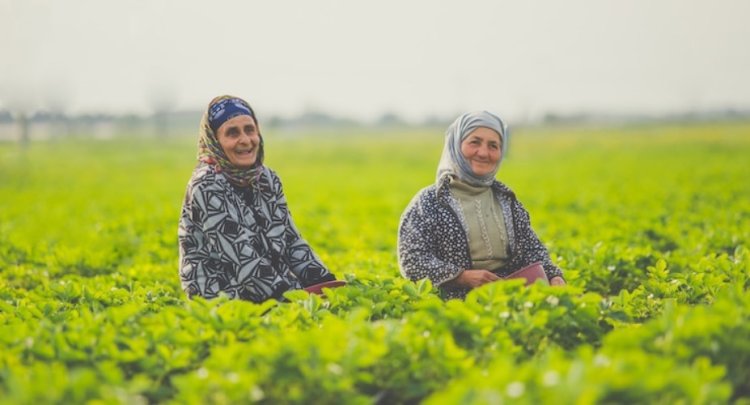
"Agriculture is one of the main sectors in the Moroccan economy and contributes around 12% of GDP and engages close to 30% of the working population," AfDB country representative in Morocco Achraf Tarsim said. "However, the sector remains sensitive to climate change because it is rainfed. Women who are ready to take up and excel in agriculture are our target.". With this new program, we will take them by the hand step by step to construct a new, strong and inclusive agriculture that can reveal the whole potential of those who would like to innovate and generate employment and value in their regions."
The €100 million loan will trigger rural entrepreneurship by providing tailored financing instruments and incentive mechanisms that can be accessed by women and youths. It will also reinforce technical and financial support systems required for the establishment of agri-business and rural cooperatives. The entry of women into rural agricultural value chains with new infrastructure, training, and business development services is one of the main elements of the program.
The program is innovation and modernization-based, such as the development of agro-processing and digital technologies to enhance productivity as well as sustainability. It is meant to unlock economic potential in rural regions, generate employment, and enhance community capacity to recover from natural and economic shocks.
In addition to individual empowerment, the project also addresses systemic challenges at scale. Climate change has increasingly fundamentally disrupted Morocco's agriculture productivity, with unpredictable rains and increased temperatures posing a risk to both output and livelihoods. The AfDB support is therefore also targeted at enhancing farmers' capacity to adapt to climate change through adopting climate-smart agriculture practices, infrastructure development, and specialized technical assistance.
In 2023 alone, the AfDB approved €254 million in funding for Morocco, including funds provided to the country's green transition and digital transformation schemes. The new farm loan is yet another indication of the AfDB's evolving role in financing Morocco's all-around development plans.
The project also sustains the Bank's increasing focus on sustainable development in Africa. The AfDB also made a highly ambitious $4 trillion annual commitment earlier this year to assist African countries in achieving the UN Sustainable Development Goals (SDGs). Initiatives such as the Morocco agri-project demonstrate how the Bank is bringing its top-level objectives to the ground, making them grass-rooted projects.
In making capital, information, and infrastructure accessible, the new loan is a potent instrument to spur gender equality, youth empowerment, and green growth. It also sends a powerful message that inclusive agribusiness development—most importantly through women and youth—is not just possible, but it's the pillar of national long-term resilience.
As Morocco looks to the future, sustained partnership with AfDB will be critical to transforming its agricultural sector into a more inclusive, competitive, and sustainable engine for development.
What's Your Reaction?