A new report warns that rapid growth in AI data centres could increase pressure on power grids, water resources and climate targets as global demand for computing infrastructure continues to rise.
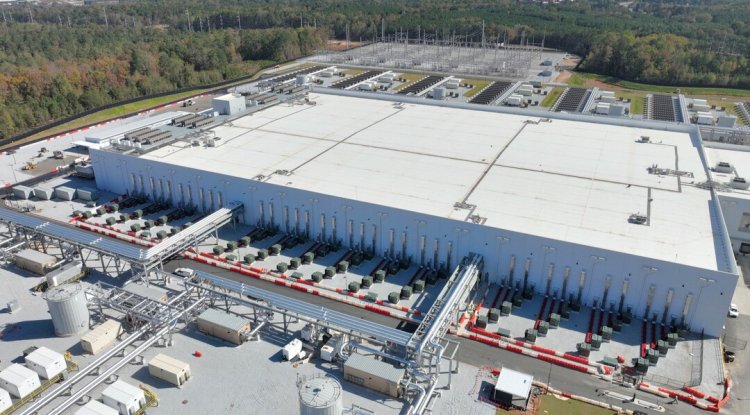
The proliferation of AI infrastructure could put additional strain on energy grids as well as water usage due to the growing demand for capacity in data centers across the world, according to a study presented ahead of the AI Impact Summit 2026.
In its report, titled "Resource requirements of AI-powered computing infrastructure: An initial assessment", Dalberg Advisors and the Council on Energy, Environment and Water (CEEW) focus on analyzing the needs related to the development of AI computing infrastructure. One of the critical challenges associated with data centers' growth is, according to the study, their significant electricity needs.
The increasing need for computing capacity due to the introduction of the new generation of artificial intelligence technologies makes tech giants invest in building data centers. As stated in the report, these centers use considerable amounts of electricity for powering their servers and cooling systems.
According to the International Energy Agency (IEA), electricity usage by data centers across the globe may reach around 945 TWh by 2030. Moreover, the agency forecasts an ongoing increase in data-center electricity usage throughout the whole decade as a result of the rise in AI applications.
However, the report highlights that building large-scale data centres for AI requires considerable electricity system improvements. Increased applications for grid connection requests have been seen in various markets, and electricity infrastructure improvements might be needed in some countries to handle additional capacity.
Water usage has been highlighted by the report as yet another concern related to data centres' work. The data centres typically use cooling technologies, requiring significant amounts of water, especially in hot climates. The report points out that water consumption needs can be considered in regions suffering from water resource shortages due to the development of new data centres.
Finally, the link between data centres and climate change goals was highlighted in the report. Energy sources used to run data centres directly affect their emissions profile. According to the authors, increased renewable energy deployment can lower emissions resulting from rising computing power demand.
The growth in the development of data centres correlates with the increase in investments in artificial intelligence technology. Various governments are considering data-centre planning, energy, and environmental requirements amid increasing electricity needs.
The report highlights the need for enhanced reporting on energy and water usage, better infrastructure planning, and coordination among tech companies, utility providers, and policymakers in handling the effects of growing AI infrastructure.
What's Your Reaction?