Amazon Reaffirms Net Zero Target Despite Trump’s Policy Stance
Amazon reaffirms its 2040 net-zero goal despite Donald Trump’s anti-climate policy stance, focusing on electric fleets, AI-driven packaging, and clean shipping solutions across Europe.
Despite the change in U.S. political leadership and Donald Trump's persistent opposition to climate policy, Amazon has confirmed its commitment to remain on track with its 2040 net-zero emissions target. The retailing and technology behemoth is plowing full speed ahead with its huge climate investments in Europe and claims its sustainability agenda remains unfazed by the new American presidency.
Amazon originally committed its net-zero ambition through The Climate Pledge in 2019. The commitment was to achieve net-zero carbon across all its operations globally by 2040—two decades before the 2050 target set by the Paris Agreement. Over 400 businesses have since committed to the initiative.
While there have been some criticisms of Amazon's climate record in the sense of a general increase in emissions over recent years, the company's latest sustainability report indicates improvement. Amazon itself put carbon emissions down from 70.74 million metric tonnes of CO₂ equivalent in 2022 to 68.82 million in 2023.
At a recent German event, Amazon's Vice President of Worldwide Operations Sustainability and Global Engineering Services, Andreas Marschne, emphasized that the company's climate strategy is not changing. He suggested that customer demand is a driver for their green initiatives, and while there are difficulties—especially with long-distance logistics—Amazon continues to innovate and improve.
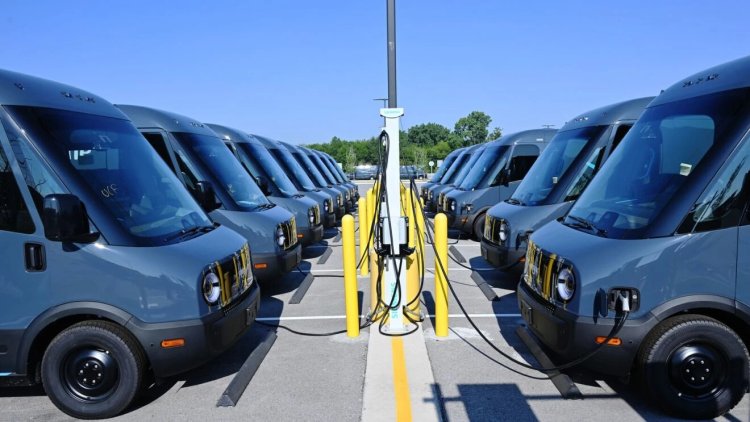
In an effort to lower its transport emissions, Amazon has collaborated with other players in the industry through the Zero Emission Maritime Buyers Alliance (ZEMBA). The initiatives are focused on lowering shipping emissions by encouraging cleaner maritime options. The company also announced a significant expansion of its electric delivery fleet in Europe. A collaboration with Mercedes-Benz will bring in over 200 eActros 600 electric trucks, including up to 150 for use in the UK. This is Home Depot-order of magnitude investment by Amazon. To fuel this new fleet, Amazon is deploying high-speed charging stations that can charge a truck in a typical driver break—more than an hour. In addition to trucks, Amazon is also growing use of electric vans and bicycles in heavy European urban densities to reduce last-mile delivery emissions.
Packaging is also going green. Amazon plans to deploy an improved AI-based packing system that constructs boxes tailored to the individual shape and size of each item. That should reduce waste and allow for more dense loading of shipping trucks, lowering carbon emissions per shipment.
While these measures indicate Amazon's commitment to decarbonization, some environmental watchdogs have had an eye of suspicion on the company, arguing that its emissions data do not capture indirect impacts and offsets. Amazon has responded to such criticism as being motivated by flawed methods and assumptions.
Political shifts in the U.S. have led to increased scrutiny of corporate Net Zero strategies, especially with Donald Trump's presidency speaking out decisively against Net Zero. The former president has referred to climate change as a "hoax" repeatedly and claimed green policies weaken national security and raise energy costs.
But Amazon appears determined to maintain its business climate policy independent of national political development. Its international initiatives, especially in Europe, reflect an international outlook where sustainability is not only considered a corporate responsibility, but also a business imperative driven by market forces, business efficiency, and strategic risk management.
Source: The Yorkshire Post
What's Your Reaction?