Wind-Powered Cargo Ship Leads Sustainability
The Anemos, a wind-powered cargo ship by TOWT, achieves 99.6% propulsion efficiency and slashes CO2 emissions by 20 tonnes per day. This eco-friendly innovation signals a major breakthrough in sustainable global shipping and green logistics.
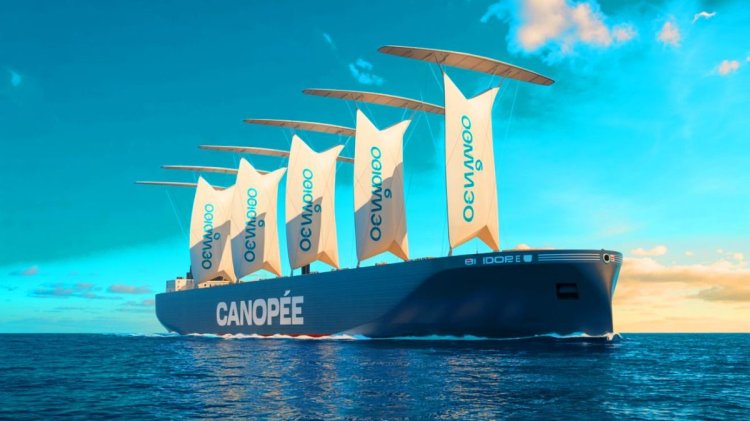
A wind-powered cargo ship, the Anemos, has achieved a groundbreaking 99.6% efficiency, reducing carbon dioxide emissions by 20 tonnes daily. This innovation marks a significant step towards decarbonising the global shipping industry, a major contributor to greenhouse gases.
Developed by French company TransOceanic Wind Transport (TOWT), the Anemos uses six 36-metre automated masts with rigid sails to harness wind power, supplemented by dual-fuel engines for reliability. Since its launch in July 2024, the 81-metre vessel has completed transatlantic voyages, carrying 1,000 tonnes of cargo, including coffee and cocoa, for clients like Nespresso and Belco. Its wind propulsion system allows it to sail at 10–12 knots, cutting fuel use and emissions by up to 95% compared to conventional ships. The ship’s efficiency is enhanced by weather-routing algorithms that optimise sail performance based on wind conditions.
The global shipping sector accounts for 3% of greenhouse gas emissions, equivalent to 1 billion tonnes annually. With 80% of world trade by volume transported by sea, transitioning to low-carbon solutions is critical. The Anemos demonstrates that wind-powered vessels can compete commercially while meeting stringent environmental standards. TOWT plans to expand its fleet to eight ships by 2027, targeting a reduction of 7,600 tonnes of CO2 annually per vessel.
Challenges include high upfront costs and the need for port infrastructure to support sail-equipped ships. Sceptics question scalability, noting that wind power may not suit all routes or vessel types. However, supportive policies, such as the EU’s emissions trading system, and growing demand for green logistics are driving adoption. India, with its 7,500-km coastline, could explore similar technologies to reduce shipping emissions, aligning with its net-zero goals.
The Anemos sets a precedent for sustainable maritime transport. As the industry faces pressure to decarbonise, wind-powered ships offer a viable path to reducing environmental impact while maintaining global trade efficiency.
Source: Sustainability Times
What's Your Reaction?