Bangalore's STPs Turn Green: Generating Power and Fertilizer from Sewage Sludge
Bangalore’s sewage treatment plants are adopting green technology in 2025 to enhance sustainable water management and reduce environmental impact.
Bangalore’s sewage treatment plants (STPs) are embracing green technology in 2025 to improve water management and reduce environmental impact. These upgrades aim to address the city’s growing water crisis while promoting sustainability. This article explores the technologies being adopted, their benefits, and the challenges of scaling sustainable water management in urban India.
Bangalore, home to over 12 million people, faces severe water scarcity due to rapid urbanisation and groundwater depletion. STPs treat wastewater for reuse, reducing pressure on freshwater sources. In 2025, plants are adopting technologies like membrane bioreactors and anaerobic digestion to improve efficiency. These systems treat sewage to near-potable standards, allowing reuse in industries and agriculture. The city’s 30 major STPs process 1,400 million litres of wastewater daily, with upgrades targeting a 20% increase in capacity.
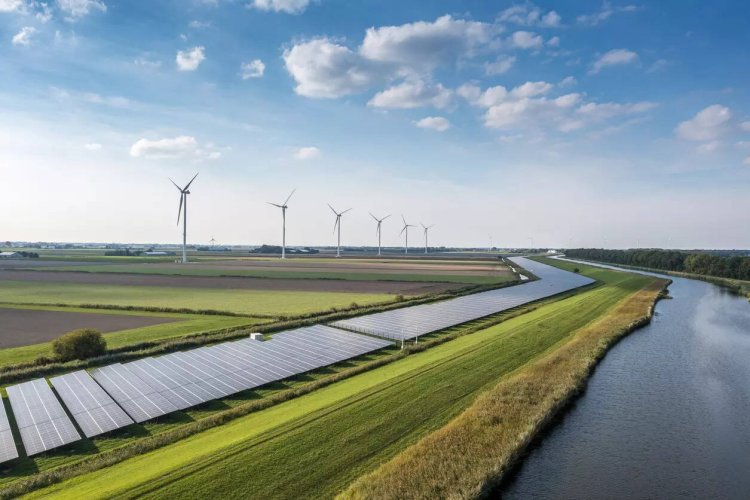
Green technology reduces energy use and emissions. For example, anaerobic digestion generates biogas from sewage, which powers plant operations. Solar panels are also being installed to meet energy needs, cutting reliance on fossil fuels. These upgrades align with India’s National Water Mission, which aims to increase water use efficiency by 20% by 2030. Treated wastewater now supports irrigation in peri-urban areas, reducing demand on lakes and rivers.
The benefits extend beyond water conservation. Treated sewage reduces pollution in Bangalore’s lakes, many of which are contaminated by untreated wastewater. By improving water quality, STPs protect aquatic ecosystems and public health. The biogas produced also lowers operational costs, making STPs financially sustainable. In 2025, Bangalore aims to recycle 50% of its wastewater, up from 30% in 2023.
Challenges include high installation costs and maintenance demands. Advanced systems like membrane bioreactors require skilled technicians and regular upkeep, straining municipal budgets. Public resistance to using treated wastewater for non-potable purposes, such as gardening, also hinders progress. Awareness campaigns are addressing these concerns, highlighting the safety and benefits of recycled water.
Scaling green STPs across India is complex. Smaller cities lack the funding and expertise to adopt similar technologies. Bangalore’s success relies on partnerships with private firms and international agencies, which provide technical and financial support. The city is also piloting smart monitoring systems to optimise STP performance, using sensors to track water quality and energy use in real time.
The environmental impact of untreated sewage is significant, contributing to 70% of India’s surface water pollution. Bangalore’s green STPs set a model for other cities, demonstrating how technology can address urban challenges. However, nationwide adoption requires government incentives and stricter regulations on wastewater disposal.
Community involvement is critical. Residents are being encouraged to segregate waste and reduce water usage to ease the burden on STPs. Schools and local groups are promoting water conservation, fostering a culture of sustainability. These efforts complement technological upgrades, ensuring long-term impact.
Bangalore’s adoption of green technology in STPs marks a significant step towards sustainable water management. By treating wastewater efficiently, the city is addressing scarcity and pollution while setting an example for urban India. Continued investment and public support will be essential to scale these solutions and ensure a water-secure future.
Source: Economic Times
What's Your Reaction?