Bangkok’s Urban Tree Cover Declines Despite Major Planting Drives
Despite major tree-planting campaigns, Bangkok lost over 10% of its tree cover between 2018 and 2022. A new study urges better protection of mature trees and green spaces as key to climate resilience and urban biodiversity.
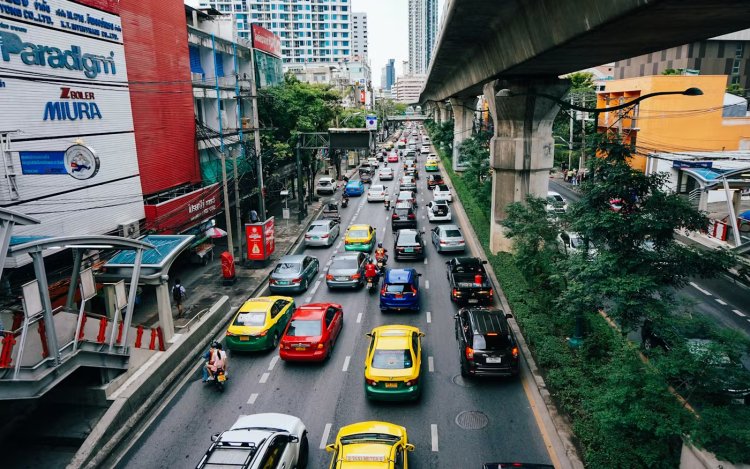
In spite of ambitious tree-planting plans across Bangkok, one recent survey has shown that the city is still losing its current green cover at a rising rate. Bangkok lost 10.5% of the total tree canopy between 2018 and 2022, whereas some of the larger city forest blocs dropped by more than 20%. The report coincides as the Thai capital is under pressure to meet world standards for green areas and cope with decreasing climate impacts.
The research, conducted by researchers from Mahidol University's biodiversity team, employed satellite and ground surveys to produce maps of tree cover loss in the city. Researchers noticed that the biggest losses were in the largest blocks of continuous trees that are known to provide the most ecological services. These plots absorb rain water, harbor biodiversity, and keep urban heat at bay — all essential services in a tropical city like Bangkok.
Bangkok was then far behind international standards for urban green space. The World Health Organization has a minimum requirement of 9 square metres of green space per capita, which the capital consistently fell short of. The tree canopy cover of the city in 2013 accounted for only 8.6% of the total area — far lower than New York (20.9%) and Beijing (24%).
While Bangkok has made some efforts through initiatives such as the "One Million Trees" campaign initiated in 2022, experts are still worried. While the campaign met its initial goal in 2024 and intends to plant another million trees by 2026 in eastern suburbs, most of the trees planted are small, foreign species. The yellow elder and bougainvillaea species were not capable of adding meaningfully to urban canopy, biodiversity or climate change resilience in the longer term.
Researchers contend that planting seedlings without a long-term maintenance plan does not contribute much towards restoring the ecological functions of mature trees. The report advocates for increased mass planting using larger and indigenous trees that are beneficial to local biodiversity and reach maturity at an earlier stage to offer shading and carbon sequestration. Without such intervention, the impact of mass tree-planting initiatives may be minimal, and money could be squandered on projects of little benefit.
Policy reforms are also weakening the forest cover in urban regions. Thailand revised its Forest Act in 2019 to permit private landowners to fell and sell 158 species of trees. While targeting illegal deforestation in reserved forests, the legislation has boosted felling of urban trees on private land, according to experts. They challenge policymakers to develop new policy that rather supports tree preservation, such as allowing trees to be used as collateral for a loan or offering tax deductions for retaining mature trees.
The other remaining green spots in the city are under further pressure from urban sprawl and land use conversion. The traditional fruit orchards along West Bank flood dikes in Bangkok, the Bangkok Inner Orchard, are especially at risk. Although they have environmental, recreation, and food security advantages, their biodiversity is not provided for under existing urban planning law.
Experts believe Bangkok must follow a two-pronged strategy: holding on to the big, existing green areas and planting additional trees in strategic locations. Urban agriculture and agroforestry plans like community gardens and fruit-producing landscapes are able to promote green cover while promoting local food production.
In order to add to the success of green campaigns, experts recommend growing indigenous tree species in future campaigns, setting up monitoring programs to track the survival of trees, and ensuring project planning includes maintenance assistance.
While efforts like One Million Trees are a positive move, the true environmental benefit will be in how many of these new trees actually live, the types of trees, and whether they provide any service to ecosystem function. Unless these older, established green spaces are protected in an urgent manner, Bangkok will fall even farther behind in fighting heat, flooding, and pollution.
Mahidol and Kasetsart universities' experts both agree that more stress is required on maintaining already mature trees and proper care for new ones so Bangkok can boast an environmental future.
Source: Mongabay.com
What's Your Reaction?