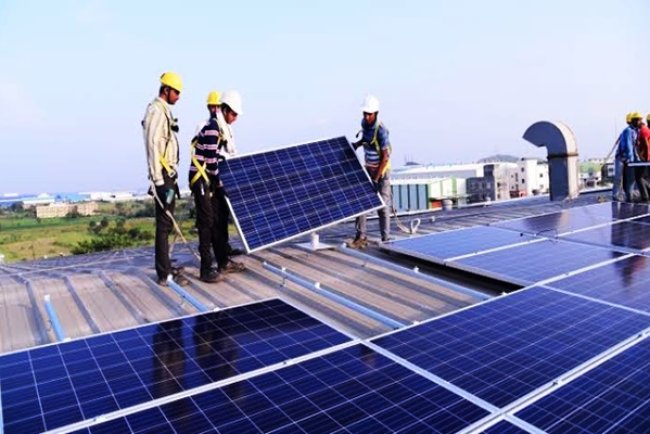
Nike has pledged to cut supply chain emissions by 65% by 2030 and reach net zero by 2050. Read how the brand plans to achieve its climate goals through renewable energy and low-carbon materials.

Nike has outlined an ambitious climate strategy aimed at reducing its environmental impact and achieving net-zero emissions by 2050. In its latest sustainability update, the global sportswear brand has committed to cutting carbon emissions across its entire supply chain by 65% by 2030. The strategy includes investment in renewable energy, adoption of low-carbon materials, and supply chain transformation.
A Target-Driven Climate Commitment
As climate regulations tighten and consumer expectations shift toward sustainability, Nike’s emissions goals signal a significant shift for one of the world’s largest apparel manufacturers. The company’s 2030 target—aligned with the Science-Based Targets initiative (SBTi)—aims to drastically reduce greenhouse gas emissions from both owned operations and the broader supply chain. These emissions, classified under Scope 1, 2, and 3, represent the full life cycle of Nike’s products, from raw material sourcing to manufacturing and distribution.
The most substantial emissions reduction is expected from Nike’s supply chain, which accounts for the majority of its carbon footprint. This includes factories operated by suppliers, material production facilities, and logistics partners worldwide. By focusing on these indirect emissions, Nike acknowledges the critical importance of collaboration with external stakeholders to meet its climate goals.
Renewable Energy and Operational Changes
Nike reports that nearly 100% of the electricity used in its owned or operated facilities in North America and Europe is already sourced from renewable sources. The company is expanding these efforts globally, investing in clean energy projects and power purchase agreements (PPAs) to cover other regions.
In addition to transitioning to renewable electricity, Nike is redesigning its retail and distribution infrastructure to improve energy efficiency. Smart energy systems and green building certifications are part of this broader push to make operations less carbon-intensive.
On the manufacturing side, Nike is working with suppliers to increase the use of renewable energy. However, progress in regions with limited clean energy infrastructure remains a challenge. To address this, Nike has committed to capacity-building programs and co-investment initiatives to help suppliers switch to lower-carbon technologies.
Low-Carbon Materials and Product Innovation
Material innovation is another cornerstone of Nike’s climate strategy. The company is increasing its use of recycled and bio-based materials to reduce the carbon intensity of its products. According to the impact report, more than half of Nike’s apparel and footwear now contains recycled content.
Key materials such as recycled polyester and sustainable cotton have been scaled across multiple product lines. Nike is also investing in next-generation materials that have a lower environmental impact compared to traditional synthetics and leather. The company notes that reducing the carbon footprint of materials can significantly influence total emissions, given their role in the upstream supply chain.
Additionally, Nike is improving product design to extend the life cycle of items and reduce waste. This includes promoting circular economy models such as refurbishment and resale programs, and enabling product take-back initiatives.
Impact Reporting and Transparency
Nike’s 2024 Impact Report offers a detailed breakdown of its progress against key environmental metrics. The company reports a 40% reduction in Scope 1 and 2 emissions since 2020. While Scope 3 emissions remain harder to tackle, Nike indicates that collaborative efforts with suppliers and logistics partners have begun to yield measurable results.
The report also outlines Nike’s efforts to align its climate disclosures with global standards such as the Task Force on Climate-related Financial Disclosures (TCFD) and the Global Reporting Initiative (GRI). Transparency, the company says, is vital for building trust and tracking progress against long-term goals.
Looking Ahead
While Nike’s climate plan presents a clear roadmap to net zero by 2050, the path forward depends heavily on external factors such as energy policy, technological innovation, and supply chain cooperation. The company’s interim target of a 65% emissions reduction by 2030 sets a high bar, and consistent progress will be essential to meet the final 2050 goal.
By embedding sustainability into its business model, Nike is aligning with broader ESG trends in the corporate world. The challenge now lies in execution—ensuring that commitments translate into real, measurable environmental outcomes.
What's Your Reaction?