Sustainable housing is increasingly being shaped by smarter design, efficient materials, and resource-saving technologies that lower costs and reduce environmental impact
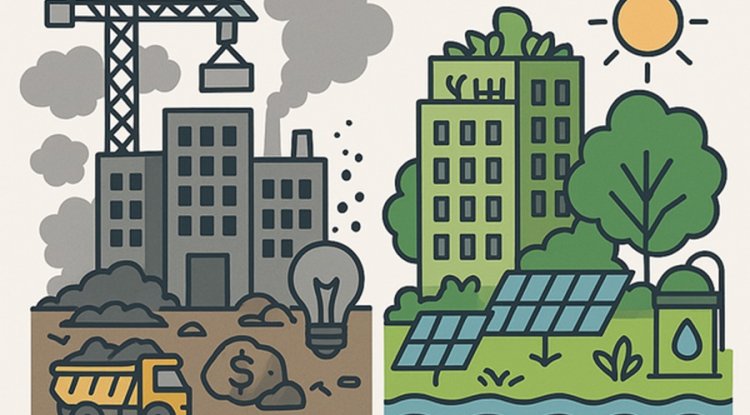
Over the next few years, a property's real value will depend on how well it connects with the city. The Indian housing market is going through a massive change. Being eco-friendly is no longer just an afterthought where a developer throws in a few solar panels or potted plants right before handing over the keys.
When you design smart upgrades directly into a project, you make the property ready for the future. This lowers daily running costs and makes homes worth much more over time. For builders, linking projects with solid roads and public transit makes life a whole lot easier for residents. A digital mapping tool helps planners sketch out every detail on a computer screen before any real work starts. Catching design errors virtually means far fewer costly changes on the physical construction site and keeps material waste to a minimum.
Better materials and new ways to build
The days of relying only on basic bricks and concrete are coming to an end. Builders are actively seeking alternatives to keep their environmental footprint small.
Green building blocks: Fast-growing bamboo, bricks made from recycled industrial ash, and tightly packed earth blocks are highly durable, keep rooms cooler, and save money on power bills. Some new projects even use mushroom-based insulation and glass window panels that collect sunlight to generate electricity.
Off-site construction: Using recycled metals, 3D printing, and pre-made rooms moves a lot of the messy, loud work away from the building site. These methods speed up the build, reduce on-site labour, and keep the local area much cleaner.
Practical everyday green living
True eco-friendly design shows up in how smoothly a home operates daily.
Power and water: Features like solar panels, well-insulated walls, and smart meters are now appearing in standard, affordable apartments, lowering monthly bills. Since water scarcity is a major issue across Indian cities, systems for collecting rainwater and reusing water for flushing are quickly becoming the new normal.
Handling trash: Modern construction sites carefully sort and recycle scrap material. Once families move in, shared composting setups and simple waste separation bins make it incredibly easy for everyone to maintain a low-waste lifestyle without any added hassle.
It is also about working with nature. Planning a layout so windows catch the natural breeze and adding vertical wall gardens keeps indoor spaces feeling fresh, drastically cutting down on the need to run the air conditioning all day long. Because these features save homeowners a substantial amount of money on electricity, buyers are now actively checking for trusted green certificates like LEED, GRIHA, or IGBC before signing any final paperwork.
When we make these thoughtful choices together, we can create a future where every single building reflects what happens when human ingenuity and a genuine respect for nature work hand in hand.
The views expressed are personal.
What's Your Reaction?