Researchers found that capturing and storing carbon dioxide from power plants supplying AI data centres could reduce emissions by more than 90% if supported by adequate storage infrastructure.
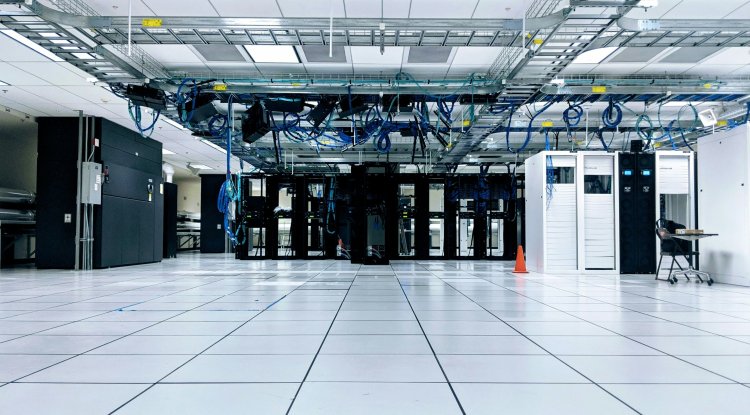
The rapid expansion of artificial intelligence data centres in the United States could lead to a sharp rise in carbon emissions by 2030, according to new research. The study found that capturing carbon dioxide from fossil fuel power plants and storing it underground could reduce those emissions by more than 90% in areas with suitable geological formations.
Published in Energy & Fuels, the research estimates that electricity demand from US data centres will grow from 40 gigawatts in 2025 to 169 gigawatts by 2030. If the additional electricity comes mainly from fossil fuels, annual carbon dioxide emissions linked to data centres could increase from about 90 million metric tonnes to more than 404 million metric tonnes.
Researchers analysed announced data centre projects across the country, mapping their expected electricity demand against state electricity sources and nearby underground storage formations capable of holding captured carbon dioxide.
The assessment found that 34 states have enough underground saline aquifers to store more than 100 years of projected emissions from data centres. If carbon dioxide is stored within the same state where it is produced, these formations could accommodate about 299 million metric tonnes annually by 2030, equal to nearly three-quarters of projected emissions.
The study found that allowing captured carbon dioxide to be transported across state borders for storage would increase the amount that could be permanently stored to more than 90% of expected emissions.
Texas, Virginia, Pennsylvania, Ohio, Arizona, Colorado, Utah, and Illinois are expected to see significant growth in data centre capacity during the decade. Texas alone may need around 25 gigawatts of additional electricity generation to meet projected demand.
According to the researchers, natural gas-fired power plants equipped with carbon capture systems could provide a reliable source of electricity while lowering emissions where suitable storage sites are available. They noted, however, that the findings do not suggest carbon capture should replace renewable energy or efficiency measures, but rather examine its potential role in limiting emissions from growing computing infrastructure.
The researchers also cautioned that the analysis is based on publicly announced data centres and assumes today's state electricity generation mix remains largely unchanged through 2030. They said future changes in electricity supply or data centre development could affect the estimates.
What's Your Reaction?