CFM and Soden Launch Cocoa Waste-to-Energy Plant in Côte d'Ivoire
CFM and Soden have launched Côte d'Ivoire’s first cocoa waste-to-energy plant, converting cocoa pod husks into electricity to power 1.4 million households. This innovative biomass project addresses energy poverty, promotes renewable energy, and supports sustainable waste management in one of the world’s largest cocoa-producing nations.
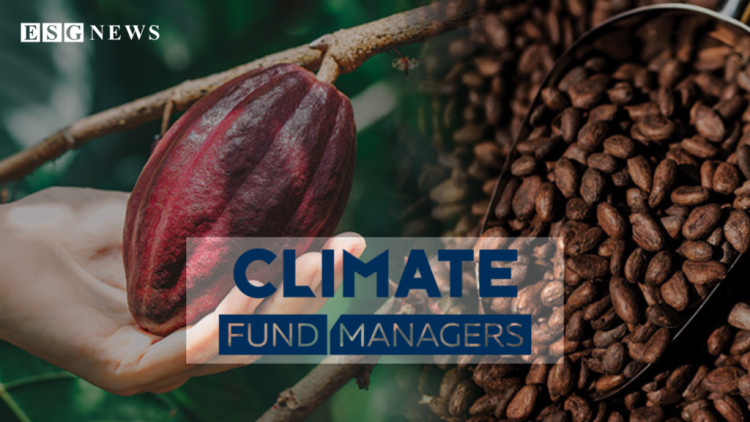
CFM and Soden have launched a cocoa waste-to-energy plant in Côte d'Ivoire, the first of its kind. The facility converts cocoa waste into electricity, aiming to power 1.4 million households. This project supports sustainable waste management and renewable energy production in the region.CFM and Soden, two companies focused on sustainable solutions, have partnered to establish a cocoa waste-to-energy plant in Côte d'Ivoire, launched in 2025. The facility processes cocoa pod husks and other agricultural waste to generate electricity, addressing both waste management and energy access challenges. Côte d'Ivoire, a leading cocoa producer, generates significant agricultural waste, which is often left unused or burned, contributing to environmental pollution.
The plant uses advanced biomass technology to convert cocoa waste into biogas, which is then used to produce electricity. The facility has the capacity to generate enough power for 1.4 million households, making it a significant step toward improving energy access in rural areas. The project also reduces greenhouse gas emissions by diverting waste from landfills and open burning.
The initiative aligns with Côte d'Ivoire’s goals to expand renewable energy and improve waste management. The country’s cocoa industry produces millions of tons of waste annually, creating opportunities for innovative solutions like this plant. The facility is expected to create jobs, particularly in waste collection and plant operations, boosting local economies.
The technology involves collecting cocoa husks from farms, processing them into biogas through anaerobic digestion, and converting the gas into electricity. The plant also produces by-products, such as organic fertilizers, which can be used to improve soil quality for local farmers. This circular approach maximizes the value of cocoa waste while minimizing environmental impact.
The project required significant investment in infrastructure and technology. CFM and Soden collaborated with local authorities and international partners to secure funding and technical expertise. The plant’s design prioritizes efficiency and scalability, with plans to replicate the model in other cocoa-producing regions.
The facility addresses energy poverty in Côte d'Ivoire, where many rural households lack reliable electricity. By using locally sourced waste, the plant reduces dependence on fossil fuels and supports the country’s renewable energy targets. The project also contributes to global sustainability goals by promoting a circular economy and reducing emissions.
Challenges include ensuring a consistent supply of cocoa waste and maintaining the plant’s operations. The companies have established partnerships with cocoa farmers to streamline waste collection. Training programs are in place to support local workers in operating and maintaining the facility.
Conclusion
The cocoa waste-to-energy plant in Côte d'Ivoire, launched by CFM and Soden, is a pioneering effort in sustainable energy production. By converting agricultural waste into electricity, the project addresses energy access, waste management, and environmental concerns. Its success could inspire similar
Source:ESG News
What's Your Reaction?