


Rising nighttime temperatures driven by climate change are causing significant sleep loss in Indian cities, with Chennai recording the highest heat-related disruption, according to a Climate Central report.
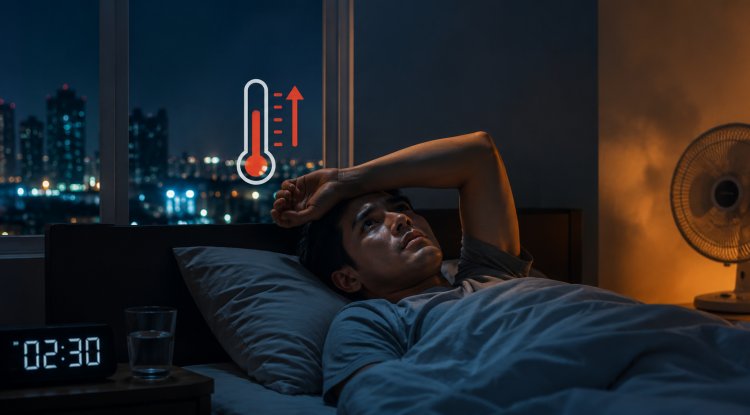
In some Indian cities, people are losing between 66 and 93 hours of sleep annually due to rising nighttime temperatures, according to a new report from Climate Central, a group of scientists and communicators that analysed heat-related sleep loss across 1,338 cities worldwide.
Chennai recorded the highest sleep loss due to heat, followed by Mumbai, Kolkata, Bengaluru and Delhi. In each of these cities, five to eight hours of sleep loss was directly linked to climate change. Heat-related sleep loss in southern India ranged from 78 to 91 hours per year, while other cities recorded losses ranging from 27 hours in Srinagar to 72 hours in Thane and 65 hours in Siliguri.
The findings align with global trends observed in the report. Between 2020 and 2025, the average person worldwide experienced nearly 56 hours of sleep loss per year due to rising nighttime temperatures, of which around six hours were linked to climate change. This amounts to nearly seven nights of lost sleep annually, including approximately one night directly associated with climate change. In almost all the cities studied, sleep disruption caused by climate change has at least doubled since the early 1970s.
Climate Central’s analysis was based on the established relationship between sleep patterns and nighttime surface temperatures, comparing historical temperature conditions with recent warming trends. The findings are consistent with decades of research showing that the brain’s sleep-related processes function best at temperatures between 18°C and 22°C, while temperatures above 32°C can gradually reduce sleep quality, according to sleep medicine experts.
According to Dr Manvir Bhatia, a neurologist and sleep medicine expert at the Center of Sleep Medicine in New Delhi, said millions of people in the country without access to air conditioning could be experiencing disrupted or fragmented sleep due to rising temperatures. “Unfortunately, people most at risk are least likely to seek medical help, and there can be other health and societal consequences of not getting sufficient sleep,”.
Several studies have shown that sleep deprivation affects the immune system, increases the risk of hypertension, cardiovascular and mental health disorders, reduces economic productivity, and raises the likelihood of accidents. Research conducted by Flinders University in Australia, which analysed sleep patterns of more than 317,000 people using wearable sleep-tracking devices worldwide, found that every 5°C increase in nighttime temperature resulted in a loss of 15 to 17 minutes of sleep per night. The study also found up to a 40 per cent rise in the likelihood of sleeping less than six hours during heatwaves.
What's Your Reaction?

















