Citizen Science: Students Lead Insect Discovery, Environmental Action
Engaging students in insect-related citizen science projects enhances their pro-environmental behaviors and fosters a deeper understanding of ecological systems. These initiatives bridge the gap between education and research, promoting insect conservation efforts.
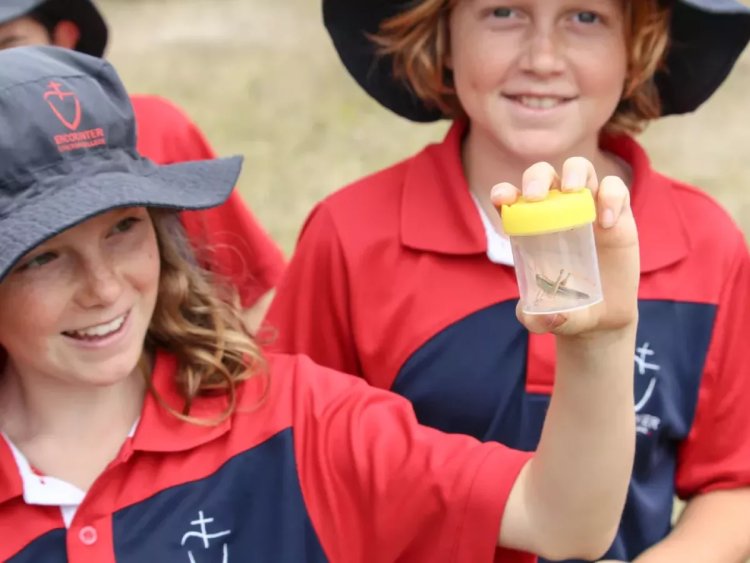
Engaging school students in insect-related citizen science projects significantly enhances their pro-environmental behaviors, according to recent research from the University of Adelaide. The study focused on the "Insect Investigators" program, where students participate in discovering new insect species. Findings revealed that these students not only intended to adopt more environmentally friendly behaviors themselves but also aimed to motivate others to protect nature
Teachers involved in the program reported a heightened inclination to incorporate insect-related topics into their curricula, which correlated with the students' increased environmental awareness. This dynamic suggests a reciprocal influence where student enthusiasm encourages educators to integrate more citizen science projects into their teaching strategies.Such school-based citizen science initiatives provide authentic scientific experiences, bridging the gap between educational institutions and research bodies. They expose students to real-world scientific processes and foster a deeper understanding of ecological systems. By focusing on insects, these projects challenge common misconceptions about these creatures and highlight their crucial roles in ecosystems.
Given the global concerns over rapid insect declines and the broader biodiversity crisis, incorporating insect-focused citizen science in schools equips students with the knowledge and motivation to engage in insect conservation efforts. Notably, in Australia, only about 33% of insects have been formally described, leaving a significant portion unclassified. Encouraging young people to engage in such scientific endeavors not only nurtures positive environmental attitudes but also helps build the next generation of scientists dedicated to addressing these knowledge gaps.
Source: University of Adelaide
What's Your Reaction?