Climate Change and Non-Native Species Together Threaten Native Wildlife, Says OSU Study
A study from Oregon State University reveals that climate change and invasive species are combining to threaten native freshwater fish habitats, urging integrated conservation strategies to prevent biodiversity loss.
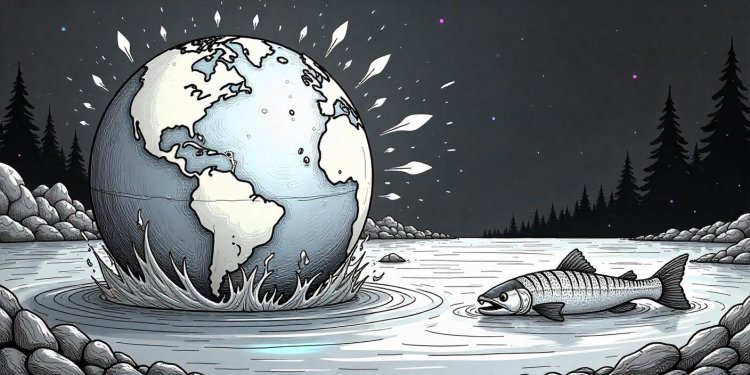
A recent study by Oregon State University cautions that native wildlife is under increased stress from the combined effects of climate change and invasive species. While both ailments have been the subject of scientific studies for decades individually, it is only now that their combined effect is being placed in clearer focus. In a Global Change Biology research, the scientists indicate that the synergistic effect of warmer temperatures and intensified competition or predator pressure from introduced species could strongly jeopardize biodiversity, particularly in susceptible freshwater communities.
Double Hit on Survival and Habitat
In applying ecological niche models, the scientists analyzed how projected climate conditions could alter the distribution of native and introduced freshwater fish in the Pacific Northwest. The model concentrated on two invasive predators, northern pike and smallmouth bass, and their effects on two native trout species, bull trout and redband trout. It concluded that increased temperatures will tend to decrease optimal habitats for both native and non-native species. But the decline in range of habitat will tend to push all four species up to higher elevations where water temperatures are cooler.
This migration can result in greater overlap in habitats in cold-water refuges of the upstream areas. Though these are essential for survival of native trout, they also become areas of heightened competition and predation. History indicates that non-native predators such as northern pike and smallmouth bass have fed on juvenile salmonids wherever habitats overlapped. One concern is that this overlap will result in more negative interactions, especially at the early life stages of the endemic species, that can cause local extinctions.
Model as a Tool for Broader Applications
The authors explain that although the study focused on a single species group in the Pacific Northwest, the model employed could just as readily be applied to other parts of the world and species. Through the integration of environmental and biological information, ecological niche models potentially could be used to predict where interactions between native and non-native species are likely to increase under future climates.
Scientists believe that such modeling offers a cost-effective means of determining high-priority areas for the early detection and monitoring of invasive species. Beyond this, it can assist natural resource managers in planning adaptive strategies for halting biodiversity loss before it is irreversible. Some of these measures include protecting habitats upstream, investing in habitat restoration, and creating early intervention strategies in invasive species management.
Urgent Need for Integrated Strategies
The central message of the research is that conservation and management planning for resources needs to begin addressing the synergistic effects of climate change and biological invasion. They have been dealt with as distinct threats in the past, but increasing evidence indicates that their interaction has a multiplicative effect on the danger to native species. Without coordinated planning, native populations like redband trout and bull trout can persist to become extinct even in recognized climate refuges.
The scientists call on policymakers and conservationists to reconsider existing approaches and take into account how changing habitats will influence future species interactions. The urgency is particularly called for because some cold-water species are already experiencing stress from warming, and additional pressure from invasive predators could push some populations beyond recovery.
Conclusion
This research highlights the double risk that climate change and non-native species pose to native wildlife. With increasing global temperatures, freshwater ecosystems will be exposed to species redistribution and interactive processes. Oregon State University research findings are a valuable asset to forecast these events and provide a useful conservation plan strategy. Confronting the two risks simultaneously is important in a bid to preserve biodiversity and ecosystem balance for decades to come.
Source
Oregon State University College of Agricultural Sciences study. Global Change Biology, 28 March 2025.
What's Your Reaction?