A new AI-powered study shows that precipitation and lightning significantly increase the risk of chemical emissions incidents following natural hazards. The findings highlight how extreme weather can lead to unexpected pollution, guiding future safety regulations and infrastructure upgrades.
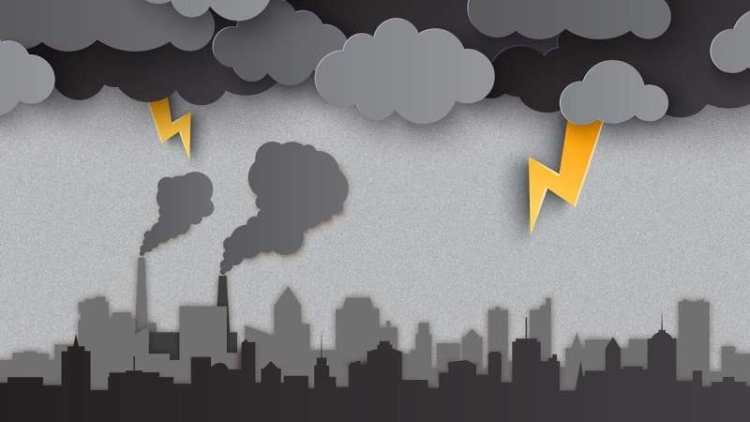
Natural disasters, such as rain and lightning, have been found to significantly increase the risk of accidental chemical emissions, leading Texas A&M University researchers to suggest that air pollution can be even higher than normal. The Houston area's 20-year accumulation of environmental and industrial data was analyzed using artificial intelligence (AI) to make this breakthrough.
This study highlights the significant correlation between climate change and industrial safety, despite ongoing concerns over industry safety due to pollution and extreme weather conditions. These findings suggest that although unintentional pollution can be caused by chemical emission incidents in climate events, pollution has the potential to worsen climate conditions. Storms can result in significant harm to both public health and the environment, with equipment failure or power outages being common triggers.
Unintentional release of pollutants into the air is known as a chemical emissions incident, and it can happen due to unplanned maintenance or infrastructure damage. This is an example. In August 2017, Hurricane Harvey caused flooding that decomposed more than 350,000 pounds of chemicals and damaged the cooling systems at a processing plant. The impact of severe weather on industrial systems was emphasized through this incident.
Researchers utilized AI to scrutinize incident reports and weather records, aiming to identify the causes of such emissions. They concluded that precipitation and lightning were the most dependable indicators of these events. Mechanical failures are a common occurrence during heavy rainfall and flooding, while lightning strikes can cause power outages that require emergency flaring, which involves burning off excess chemicals to prevent explosions, releasing pollutants.
Weather patterns could be used to forecast pollution levels, allowing regulators and industrial operators to take more proactive action. By designating certain days as "high-risk," officials can issue early warnings and minimize public exposure to potentially harmful air, including smog-causing carcinogenic pollutants. This forecasting method also allows updating of infrastructure, such as floodproofing chemical plants or installing backup power, especially near residential areas.
Besides immediate safety responses, the study's outcomes could have implications for future policy. A more robust environmental regulation could be enforced through climate-based risk assessments that provide evidence and encourage resilient technologies. As climate extremes become more frequent, it is crucial to comprehend the correlation between weather and pollution. This is especially important.
Interestingly, the researchers discovered no consistent correlation between climate events and emissions over time.easy to read. However, the connection has weakened in recent years, suggesting that changes to certain facilities may have occurred due to disasters such as Hurricane Harvey. Although specific enhancements may increase resilience, more research is needed to determine if this trend will continue.
A collaborative work called Climate-LEAD aims to address environmental health disparities in the coastal regions of Texas that are most affected by industrial activity and climate hazards. They integrated chemical engineering expertise with the use of climate-geospatial analysis and combined industrial emission data to create detailed weather records. The result is a model that can be used to illustrate past patterns and provide guidance for safety planning in the future.
As climate change causes extreme weather, the impact on industrial systems will remain a crucial area of research. The use of AI-based research can not only uncover pollution patterns but also enable intelligent regulation and adaptive infrastructure design.
What's Your Reaction?