Climate Change Could Force Holiday Flights to Reduce Passengers at European Airports
A University of Reading study shows rising temperatures may force European airports to limit the number of passengers on flights, especially on aircraft like the Airbus A320. Shorter runways and reduced air density from heatwaves will impact takeoff performance, particularly in Southern Europe. The findings highlight how climate change could disrupt aviation operations and increase travel costs.
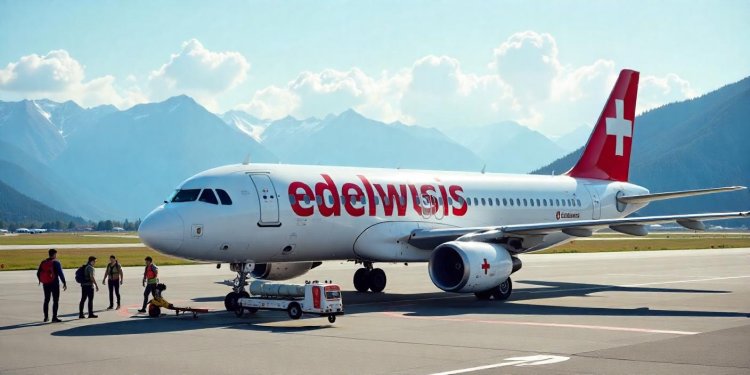
New University of Reading research indicates that rising global temperatures may reduce the number of short and medium-haul passengers planes can carry, especially during summer. The study, published in the journal Aerospace, conducted takeoff performance tests under warmer conditions at 30 airports across Europe and revealed that warming air is degrading lift capacity at plane takeoff. Using Airbus A320 as a test plane, the researchers established that by the 2060s, the short runways of several airports may not be able to handle the full takeoff weight of the plane during heatwaves, requiring the removal of up to 10 passengers per flight in order to meet safety and performance requirements.
The underlying reason is that warmer air is less dense, and this directly impacts the capacity of an aircraft to generate the lift needed for takeoff. Lower air density takes longer to take off and limits the weight an aircraft can carry safely. In airports with short runways, these constraints are tighter. The study focused on Mediterranean and southern European airports, where hotter summers have grown more common with global warming. These included some of the airports most susceptible to this, which were Chios in Greece, Pantelleria and Rome Ciampino in Italy, and San Sebastian in Spain, as these already have short runways. With a projected rise in the number of extreme heat days—perhaps from as low as one per summer to three or four per week by the 2060s—the aircraft departing from there will have to dump more weight more frequently.
While such major international airports as London Heathrow or Gatwick have sufficiently long runways to accommodate current aircraft under almost all conditions, they may still face operational challenges with the larger aircraft like the Airbus A380 in extremely hot weather. Such issues may not be as straightforward as limiting passenger capacity. Airlines would be forced to fly during the cooler parts of the day, i.e. early morning or late night, to avoid performance losses. The economic penalty would also include lower profit for lower loads of passengers, and increased operation costs. Airports would also face higher maintenance requirements because long-term exposure to extreme heat can accelerate the wear and tear of the runway surface and require more frequent maintenance.
The researchers argue that the aviation sector could need to adapt to these changes by enhancing flight planning, investing in infrastructure upgrades, and optimizing aircraft design. Although some mitigation could come through enhanced operational efficiency or schedule reorganization, it may not be able to fully compensate for the diminished capacity due to heat stress from global warming. The study emphasizes that without a significant decrease of greenhouse gas emissions on the global scale, these conditions are going to become even more severe and widespread. On a more sustainable trajectory of emissions, the impacts may be less severe, as this emphasizes the importance of global climate action not only for protecting the environment but also for promoting economic resilience in industries like aviation.
Future research will involve expanding the analysis to other environmental variables, including humidity and changing wind patterns, which can also affect takeoff performance. These additional variables could further reduce the maximum takeoff weight or require other operational changes in order to continue to meet safety requirements. The findings also illustrate the greater vulnerability of infrastructure to climate change, showing how interconnected systems like transportation are susceptible to seemingly indirect environmental influences.
With the more frequent and intense heatwaves being experienced in Europe, air transport is likely to be disrupted unless adaptation strategies are implemented and executed. Planning for resilient infrastructure and reviewing airport capability is essential to address the evolving climate-related risk environment. The report is an early warning for policymakers and the aviation community, signaling the growing necessity of integrating climate science into long-term strategic planning.
Source: University of Reading
Credits: University of Reading | Aerospace, 2025 | DOI: 10.3390/aerospace12030165
What's Your Reaction?