Rising temperatures, shifting salinity and coastal flooding are putting pressure on India’s shrimp sector, threatening production, exports and rural incomes
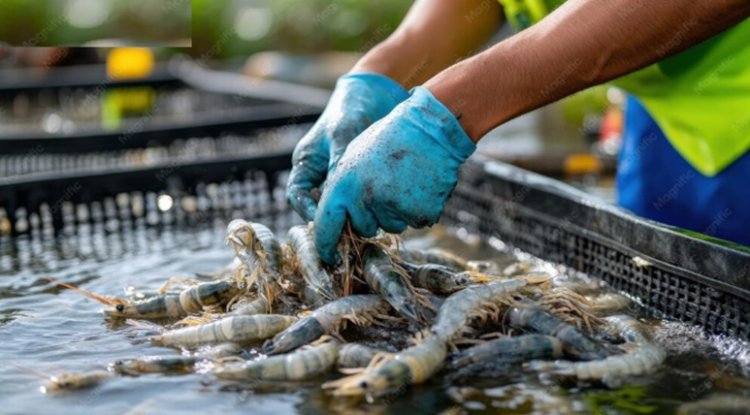
The shrimp industry in India, which has long been considered the backbone of the nation’s seafood exports and rural incomes, is becoming more vulnerable to the impact of climate change, industry experts have warned. Increased ocean temperature altered weather, and varying coastal ecosystems are now threatening the production and export performance of aquaculture across the nation.
Penaeus monodon and Penaeus vannamei are very sensitive to water temperature and salinity. With the warming of waters, metabolic stress among shrimp results in lower growth rates and decreased yields, according to scientists and farmers. High temperatures and heat stress also increase the vulnerability of shrimp to disease outbreaks, which puts production and profitability at further threat.
The foreign exchange earnings of India, as well as ten or more tens of thousands of rural and coastal livelihoods, depend on shrimp aquaculture. In the past, frozen shrimp exports have been the engine of the seafood performance in the country, with India being one of the largest global exporters of frozen shrimp. Nevertheless, the industry observers note that the production volumes are likely to decrease by 10-15 per cent next year because of the environmental stresses and challenges associated with climate.
Increased flooding of low-lying coastal farm areas (because of climate-driven sea level rise) is also destroying traditional farming areas. The swings in salinity adversely affect pond ecosystems, which makes farmers spend more money on water handling and the elimination of diseases. These changes add to the length of challenges faced, including fluctuations in prices of food, technical capacity constraints and market dynamics.
The key to adapting to these emerging realities must entail both scientific innovation and policy support. According to the experts, investment into climate-resilient aquaculture systems, including improved water quality systems, breeds of heat-tolerant shrimp, and community-based adaptation strategies, will be required for long-term sustainability. Enhancing natural buffers to temperature and salinity changes by strengthening coastal ecosystem services, such as mangrove restoration, could also be useful.
Unless something is done about it, the ever-increasing climate pressures are likely to diminish the economic footprint of the industry and threaten the food security and jobs of coastal populations. Whether the shrimp sector will survive the warming world now depends on how effectively farmers, scientists and policymakers can work together to endure the warming world.
What's Your Reaction?