Climate Change's Impact on Global Wine Production
Explore how climate change is reshaping global wine production, affecting grape cultivation, wine quality, and regional production patterns, and discover the adaptation strategies being employed by the industry.Learn about the impact of climate change on wine production, including changes in grape ripening, wine flavor profiles, and regional production shifts, and understand the adaptation strategies being implemented to ensure the future of viticulture.
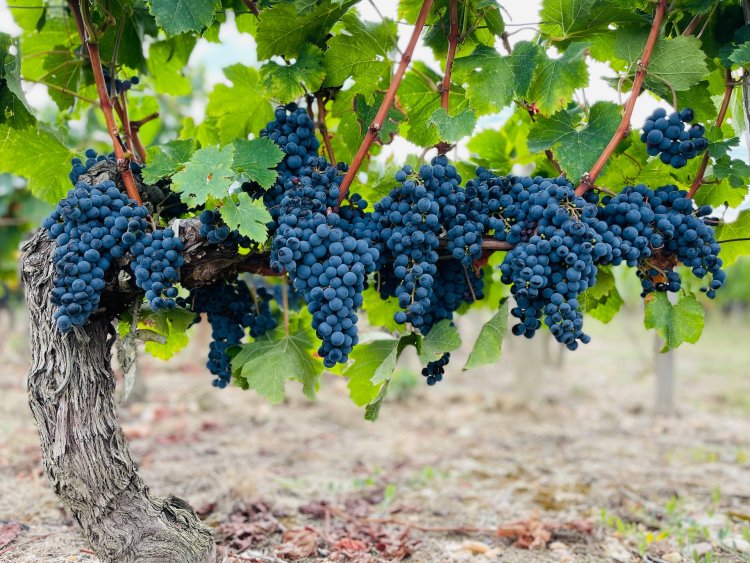
Climate change is significantly altering the landscape of global wine production, affecting everything from grape cultivation to wine flavor profiles. A comprehensive study led by researchers at the University of British Columbia (UBC) analyzed data from over 500 grape varieties across five continents, revealing that rising temperatures are reshaping viticulture worldwide .
Rising Temperatures and Their Effects
Since 1980, many wine-growing regions, particularly in Europe, have experienced an increase in average temperatures by as much as 2.5°C. This warming trend has led to an increase in growing degree days (GDD), a measure of heat accumulation essential for grape ripening. While this might initially seem beneficial, the reality is more complex. Warmer temperatures accelerate grape ripening, leading to higher sugar content and, consequently, higher alcohol levels in wines. This shift not only alters the taste but also the balance and structure of the wine.
Moreover, the frequency of extreme heat events, defined as days exceeding 35°C, has risen in several regions. For instance, parts of southern and western Europe are now experiencing nearly five times as many extreme heat days as they did in 1980. Such conditions can cause heat stress in vines, leading to reduced yields and potential crop failure.
Regional Variations in Impact
The effects of climate change on wine production are not uniform across the globe. Northern Africa and western Asia have seen significant increases in average temperatures and GDD, but their increase in extreme heat events has been comparatively smaller. In contrast, regions like southern and western Europe are witnessing a more pronounced rise in extreme heat days, posing greater challenges to traditional viticulture practices.
Additionally, warmer winters and nights are disrupting the natural growth cycles of grapevines. Earlier budburst and harvest times can lead to misalignment between grape maturity and optimal harvest conditions, affecting grape quality.
Adaptation Strategies
To mitigate these challenges, vineyards are adopting various adaptation strategies. One significant approach is the diversification of grape varieties. By introducing heat-tolerant and drought-resistant cultivars, winemakers can maintain production levels and quality. For example, regions traditionally known for varieties like Pinot Noir and Merlot are exploring alternatives such as Grenache and Mourvèdre, which are better suited to warmer climates .
Technological advancements also play a crucial role in adaptation. The use of soil sensors, satellite imagery, and weather stations provides real-time data, enabling winemakers to make informed decisions regarding irrigation, pruning, and harvest timing. These tools help optimize vineyard management practices, ensuring grape quality despite changing climatic conditions.
Conclusion
Climate change presents a formidable challenge to the global wine industry, affecting grape cultivation, wine quality, and regional production patterns. However, through strategic adaptation measures, including the diversification of grape varieties and the integration of advanced technologies, the industry can navigate these challenges. Continued research and innovation will be essential in ensuring that future generations can enjoy wines that reflect the rich diversity and heritage of global viticulture.
What's Your Reaction?