Ahead of COP31, climate and energy leaders have identified electrification powered by renewable energy as a critical pathway to reducing emissions and advancing global climate goals.
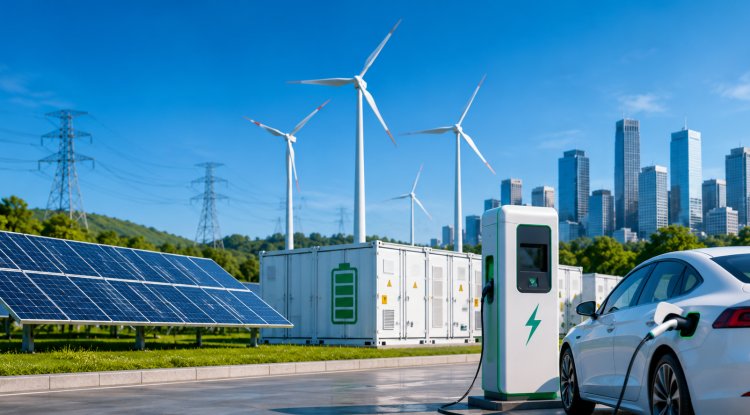
The upcoming COP31 will place a primary focus on electrification, as part of organisers' activities that precede this year's global climate negotiations, emphasising the critical importance of clean power systems in driving deep emissions reductions.
At an initial preparatory meeting in Bonn, climate and energy ministers of the host countries agreed that the shift to an electrified economy, largely based on renewables like solar, wind and hydropower, will be a key topic in discussions during the summit. The focus is driven by growing concerns that the pace of current climate mitigation measures is not sufficient to reach the goals of the Paris Agreement.
The transition from fossil fuels to electricity in sectors such as industry, transport and buildings is known as electrification and is considered one of the enabling pathways to decarbonisation as it enables clean generation to directly replace fossil fuels. During COP31, participants are expected to focus on policies to enable power grid expansion, interconnection with variable renewable energy and widespread access to clean, zero-carbon power in developing countries.
Electrification also supports energy access, economic development and job creation; it is a win-win approach for energy and climate, speakers in Bonn said. Investments in smart grids, energy storage and digital infrastructure were identified as key enablers that can help increase the flexibility of the energy system and the penetration of renewables.
The discussions also explored the potential for an expanded international cooperation mechanism for funding, technology transfer and capacity building for clean energy. Emerging and frontier markets need targeted financial support to fill the gap in investment, and to implement large-scale electrification projects, representatives emphasised.
Developed and developing countries stressed that electrification alone would not be sufficient, it would need to be coupled with the reduction of energy needs and the introduction of carbon pricing policies and plans to phase out polluting fossil fuels.
Electrification, from domestic consumption to heavy industry, will continue to be a key area for COP31 as climate talks grow in the months ahead – a key part of the global emissions reduction plan and future energy systems worldwide.
What's Your Reaction?