Daiki Axis will invest around ₹200 crore to establish a new manufacturing plant in Karnataka to expand wastewater treatment solutions and support sustainable water management in India.
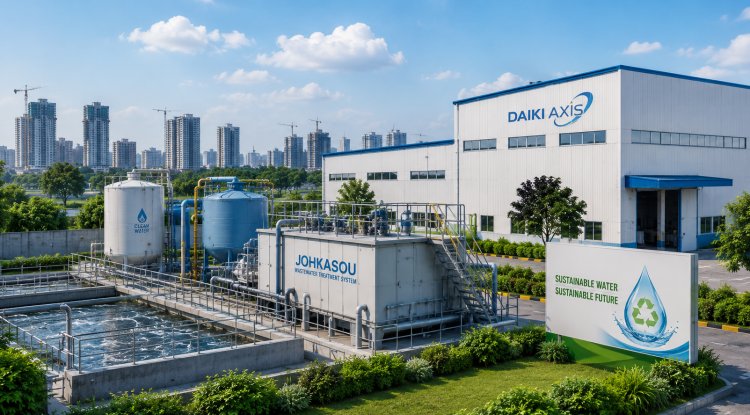
Japan-based water treatment solutions provider Daiki Axis is expected to invest around ₹200 crore to establish its third manufacturing plant in Tumakuru, Karnataka, to meet India's growing demand for sustainable wastewater treatment solutions and water recycling.
To be established through its wholly-owned Indian subsidiary, Daiki Axis India, the new plant will produce and assemble sewage treatment systems using its proprietary Johkasou technology, a decentralised wastewater treatment system that treats domestic sewage at the point of generation without the need for long-distance sewerage networks.
The expansion comes as India experiences growing urbanisation, industrialisation and water stress, which is expected to increase demand for advanced wastewater treatment solutions, Daiki Axis India Advisor K C Pandey told PTI. He said India produces more than 72 billion litres of sewage per day, but treatment capacity remains inadequate in several areas, resulting in significant discharge of untreated sewage into water bodies and rivers.
The proposed facility in Karnataka is likely to strengthen local manufacturing capabilities, reduce imports of wastewater treatment systems and support faster deployment of these solutions in the country. Daiki Axis currently operates two manufacturing plants in Vadodara, Gujarat, and Palwal, Haryana, and the expansion is in line with the Government's Make in India initiative.
Pandey noted that there are more than 24,000 urban parks in India and thousands of residential complexes, institutions, hotels and industrial buildings that could use treated wastewater for landscaping, gardening and non-potable applications, highlighting the potential market for such systems.
With increasing focus on water circularity, the utilisation of treated sewage water, smart cities, and sustainable urban development has led to an increasing need for decentralized sewage treatment facilities in India, according to Pandey. The growth is anticipated to benefit the development of urban infrastructure, sustainable water management, and higher standards of sanitation in line with the Viksit Bharat 2047 vision.
What's Your Reaction?