Daimler and KEYOU will develop hydrogen combustion trucks, targeting commercial launch from 2027.
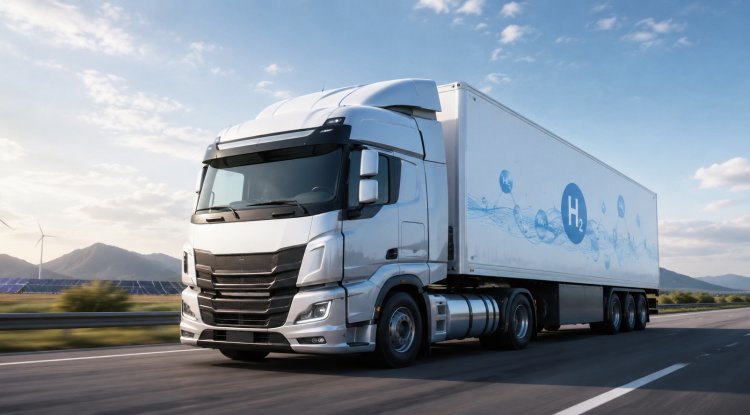
Daimler Truck and the Munich-based hydrogen technology company KEYOU have partnered to speed up the development and commercialization of hydrogen-powered trucks. The first vehicle from this collaboration is expected to launch in 2027. The agreement focuses on hydrogen combustion engines, H2-ICE trucks, and zero-emission freight transport for heavy-duty applications.
This partnership is part of Daimler Truck’s broader strategy to explore different ways to decarbonize commercial vehicles. This includes battery-electric and hydrogen technologies. While the development of battery-electric trucks addresses various transport needs, the companies stated that hydrogen solutions could benefit operations requiring high usage, longer distances, and quicker refueling.
Hydrogen Technology for Heavy-Duty Transport
Daimler Truck noted that hydrogen fuel cell trucks using liquid hydrogen could reach ranges of over 1,000 kilometers with shorter refueling times. Hydrogen combustion engines could also serve as an alternative for payload-heavy transport. This technology allows manufacturers to consider hydrogen solutions using current vehicle platforms and engine know-how.
Andreas Gorbach, a Daimler Truck board member overseeing Truck Technology, mentioned that different transport applications need different driving technologies. He stated that hydrogen can support both fuel cell and internal combustion engine methods, with the partnership focused on bringing hydrogen combustion technology into commercial use.
Mercedes-Benz Actros Platform to Support Conversion
According to the agreement, Daimler Truck will supply Mercedes-Benz Actros L 1848 tractor units and engines based on its existing 12.8-liter engine platform to KEYOU. The hydrogen technology firm will modify the vehicles and convert the engines into hydrogen-powered internal combustion systems using its KEYOU-inside technology.
Qualified external partners will assist in the conversion process, ensuring proper technical integration. The companies stated that this approach is designed to adapt existing truck platforms for hydrogen use while enabling future growth across more vehicle models.
KEYOU HICE.40 Truck Planned for 2027 Market Entry
The first vehicle produced through the collaboration, the KEYOU HICE.40, is expected to be designed for a gross vehicle weight of 40 tonnes. This hydrogen combustion truck is set to deliver up to 350 kW of power and have a driving range of up to 650 kilometers.
The companies aim for this truck to serve demanding freight transport needs, where long operating hours, high payload capacity, and operational flexibility are essential. Hydrogen combustion technology is considered a viable option for sectors where battery-electric solutions may struggle due to charging times or vehicle weight requirements.
Commercial Rollout Expected from End of 2027
Daimler Truck and KEYOU expect hydrogen combustion engine trucks to start entering the market on a larger scale by the end of 2027. KEYOU will manage vehicle availability for customers, while both companies may support developing the hydrogen refueling infrastructure necessary for broader adoption.
Thomas Korn, CEO and Co-founder of KEYOU GmbH, stated that the partnership would help transition the company’s hydrogen engine technology to industrial applications and promote hydrogen-based solutions in the commercial vehicle sector.
Focus on Fleet Support and Long-Term Operations
In addition to vehicle development, the companies emphasized that customer support and maintenance planning will be crucial to their collaboration. KEYOU plans to consider using existing service networks and maintenance systems to ensure reliable vehicle operations for fleet operators.
The partnership illustrates the growing effort in the transport industry to develop alternative technologies for cutting emissions from heavy-duty vehicles. Hydrogen combustion engines, along with battery-electric and fuel cell technologies, are being investigated as potential solutions for reducing the environmental impact of freight transport.
What's Your Reaction?