Tesla and NatPower will deploy 25 GWh of battery storage across Italy and the UK under a European energy plan.
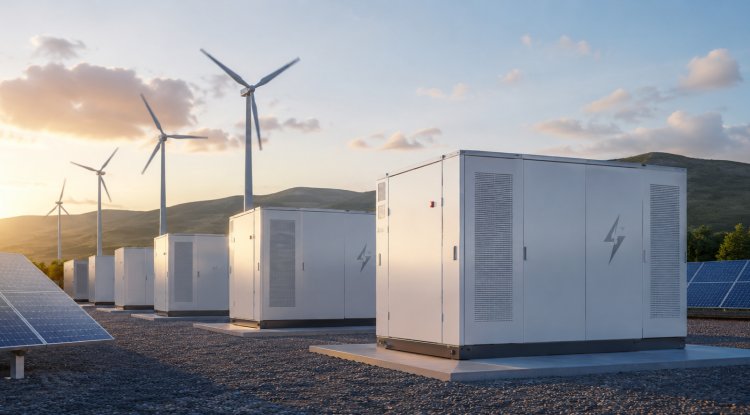
Tesla and NatPower have signed a multi-year agreement to deploy over 25 GWh of battery energy storage, renewable energy infrastructure, grid stabilization, energy transition in Europe, and clean energy storage capacity across Italy and the United Kingdom. This project marks the first phase of a larger program aimed at developing more than 100 GWh of battery storage capacity in Europe.
The agreement comes as European power systems face growing pressure from the increase in renewable energy, rising electricity demand, and the expansion of data centers. Battery storage is becoming crucial for balancing intermittent solar and wind power while also improving grid reliability.
First Phase Targets Italy and UK Projects
The initial stage of the program includes five battery storage projects across Italy and the UK. NatPower will own and operate the facilities, while Tesla will supply its Megapack battery systems along with engineering, procurement, and construction services.
Tesla will also assist with project operations through its Autobidder platform, which facilitates energy trading and optimization. The companies stated that the agreement aims to promote quicker deployment of large-scale storage projects across European markets.
The full program is expected to involve a construction value between $4 billion and $5 billion, with revenues projected to exceed $15 billion over a 20-year period.
Storage Becomes Key Infrastructure for Renewable Growth
The partnership reflects a broader shift in Europe’s energy sector, where battery storage is evolving from a support technology to a central infrastructure component. As renewable energy capacity increases, grid operators need flexible systems that can store excess electricity and release it during peak demand.
Energy storage can help cut down on renewable power curtailment, enhance grid stability, and lessen reliance on fossil-fuel-based backup generation. Governments throughout Europe are concentrating on modernizing energy networks to meet climate goals while ensuring energy security.
NatPower stated that the agreement focuses not only on battery supply but also on coordinating project development, grid connections, permits, financing, and construction schedules.
Integrated Approach Aims to Address Project Delays
Large-scale energy projects often face hurdles, including long approval processes, limited grid capacity, and financing issues. The Tesla-NatPower framework aims to combine technology, infrastructure planning, and delivery capabilities to tackle some of these challenges.
For NatPower, this partnership broadens its role in European energy infrastructure development. For Tesla, the agreement boosts its energy business by extending beyond battery manufacturing to include software, construction support, optimization, and long-term operational services.
NatPower CEO Fabrizio Zago emphasized that the agreement focuses on moving energy projects from development to execution. He highlighted the importance of bringing together investment, technology, and infrastructure delivery.
Rising Electricity Demand Increases Need for Storage
The growth of artificial intelligence, digital services, and data centers is increasing pressure on electricity systems. Many technology operators are looking for reliable and lower-carbon power sources, leading to a higher demand for flexible energy solutions.
The over 25 GWh of storage capacity planned under this agreement is expected to support renewable integration, grid balancing, and electricity supply management during peak demand periods.
Tesla Energy and Charging Vice President Mike Snyder mentioned that the company will support these projects through its integrated approach, which includes hardware, software, construction, trading optimization, and service capabilities.
European Energy Transition Drives Storage Investment
The agreement highlights the growing importance of battery storage in Europe’s energy transition. Policymakers are focusing on reducing emissions, enhancing energy independence, and improving grid resilience.
As renewable generation increases, storage systems are expected to play a bigger role in maintaining stable electricity networks. The expansion of battery infrastructure could also affect how future energy markets handle supply, demand, and the availability of renewable power.
The Tesla-NatPower program represents one of the larger planned storage deployments in Europe and underscores the increasing significance of energy flexibility in supporting industrial growth, digital expansion, and climate goals.
What's Your Reaction?