Delhi’s civic body has intensified sanitation inspections and waste management efforts across Delhi to improve its Garbage Free City ranking before the Swachh Survekshan 2026 survey.
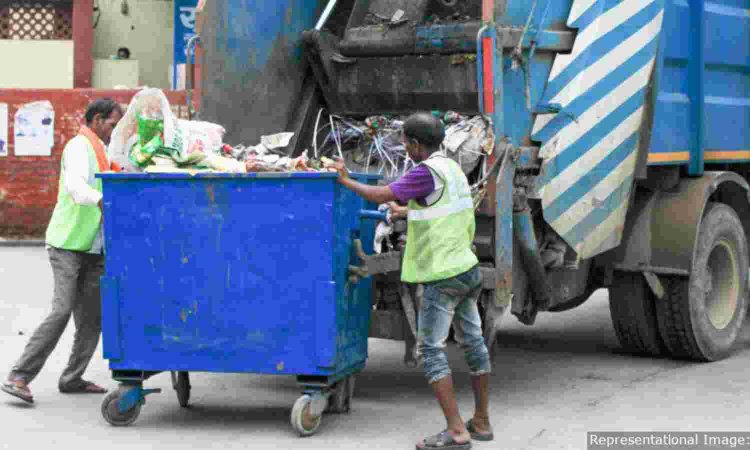
The Municipal Corporation of Delhi (MCD) has intensified monitoring of sanitation work across the national capital in preparation for the upcoming Swachh Survekshan 2026 survey, which is expected to begin next month.
According to officials, the Civic Body has made a strong commitment to improve their GFC rankings, which will help evaluate cities’ abilities to properly manage their waste (including solid waste) and keep areas clean. In particular, they are focused on providing timely garbage collection; segregating waste from one another; disposing of the waste in an appropriate manner.
MCD senior officials have directed teams to monitor the sanitation work in the various zones of Delhi. Field inspections are being conducted to ensure the cleanliness of streets, markets, and homes and that all waste is collected regularly. Authorities will also check to ensure that sanitation workers and their contractors have correctly performed all of the established waste-handling procedures.
The civic body has directed sanitation staff to promote segregating waste at the source by ensuring that all residents separate their biodegradable and non-biodegradable wastes prior to disposal. This significant action is expected to assist in increasing the recycling rate and decreasing the amount of waste sent to landfills.
Swachh Survekshan is a survey carried out annually by the Ministry of Housing and Urban Affairs that ranks various cities in India on the basis of their cleanliness, waste management practices, and the participation of citizens in various sanitation programs. The survey measures various parameters such as door-step waste collection, processing of municipal solid waste, cleanliness of public places, and awareness programs.
In recent years, the officials within the city of Delhi have put forth many efforts to improve the city's performance through the implementation of improved collection processes, enhanced public awareness, and the development of effective monitoring systems to gauge the efficacy of the services provided
What's Your Reaction?