The Delhi government is considering implementing a Deposit Return Scheme (DRS) to tackle plastic waste. Environment Minister Manjinder Singh Sirsa has directed officials to prepare a detailed proposal within one month.
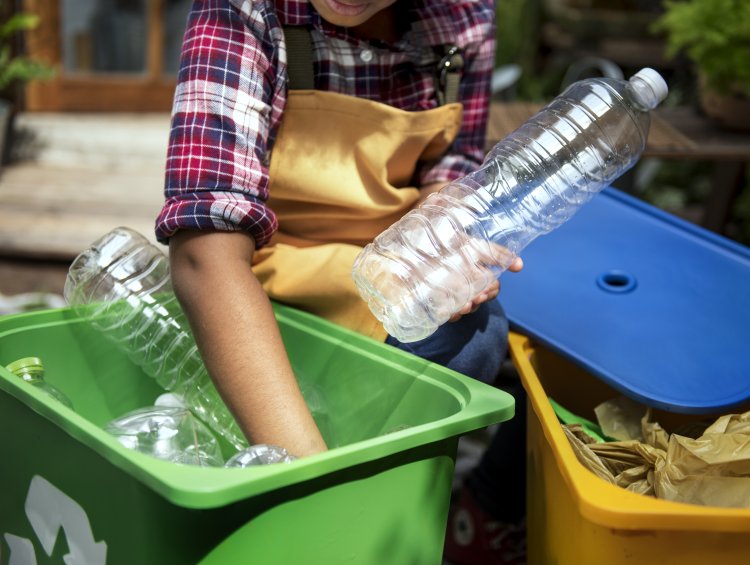
The Delhi government is planning to introduce a Deposit Return Scheme (DRS) to deal with the growing problem of plastic waste.
Under this plan, Environment Minister Manjinder Singh Sirsa has asked officials to prepare a detailed proposal within one month. The main aim is to reduce plastic waste and improve the city’s waste management system.
What is DRS?
The DRS system is quite straightforward. The individuals purchasing such products as plastic bottles shall pay some extra amount of money as deposit charges.
If they submit the used plastic bottle or product to a designated collection centre, they would be refunded the additional amount.
The minister expressed concern over the blockage of drains due to plastics, contamination of water bodies, as well as deterioration of soil quality because of the same reason. The introduction of this system may prove to be beneficial for Delhi.
The authorities have been instructed to analyse various models used elsewhere before designing one that fits the needs of Delhi. The model will include aspects such as finances, responsibilities of various organizations, and its functioning.
As per the authorities, such systems are successfully operating in several other states including Goa, Himachal Pradesh, and Uttarakhand. Internationally, more than 40 countries have adopted the DRS approach, whereby the rate of recycling plastics is usually above 90%.
The minister went on to add that public cooperation will be an important factor in implementing the program successfully. The implementation of the approach will not only minimize pollution but also convert waste material into productive resources.
Why is Delhi considering this?
Delhi suffers from many challenges due to the issue of plastic waste. Quite a lot of plastic waste clogs up drainages, causing water logging, particularly in monsoon season. In addition, the water bodies of Delhi, such as the Yamuna, suffer pollution from plastic waste and there is also an impact on soil quality. The reason why the existing waste management system fails is that plastic waste is inefficiently recycled or collected.
How will it work in Delhi?
The proposed mechanism could involve the use of collection centers and reverse vending machines to be located in publicly accessible spaces like marketplaces, malls, and shops. It would enable citizens to return old plastic products and receive the refund for the same. The aim here is to facilitate proper segregation of waste from its very point of origin and establish an efficient recycling process. The project is expected to see participation from both governmental organizations and private enterprises, along with the formulation of policies for financing and implementation.
What are the challenges?
The process of implementing this system in a big city such as Delhi will not be an easy task. It will require efficient infrastructures, such as machinery and collection centers, and monitoring to ensure that it is not misused. Public involvement will be important since the success of this system is highly dependent upon the people’s willingness to return the used goods.
Why it matters
If implemented properly, the DRS system can significantly reduce plastic pollution and improve recycling rates. It can also help create a circular system where waste is reused instead of being dumped. More importantly, it encourages people to change their behaviour, making them more responsible for the waste they generate, which is something most policies fail to achieve.
What's Your Reaction?