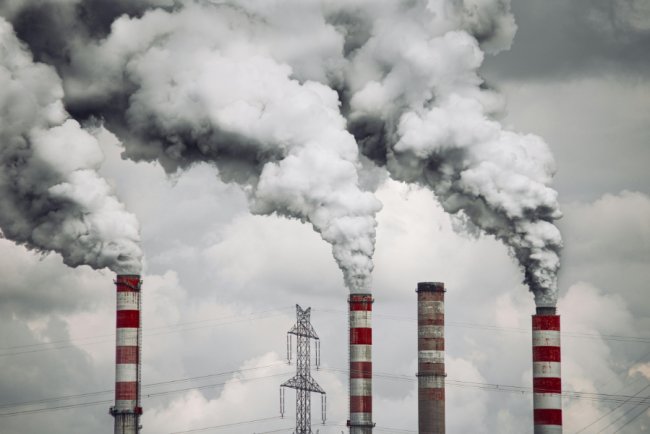
Research from the University of Surrey shows that energy-saving 5G features could reduce the UK’s indirect carbon emissions by 25 million tonnes through supply-chain effects.

Energy-saving features built into 5G networks could reduce the UK’s indirect carbon emissions by around 25 million tonnes of CO₂, according to research from the University of Surrey. The study indicates that operational improvements in mobile networks may influence emissions beyond the telecommunications sector, extending into supply chains and related industries.
The findings were published in Resources, Conservation and Recycling and examine how 5G technologies affect electricity demand and associated emissions across the wider economy.
What the study examined
The researchers looked at several energy-saving features that are already being developed or gradually introduced into 5G networks. These include artificial intelligence systems that allow mobile masts and antenna base stations to switch into low-power “sleep mode” when traffic is low, as well as smartphone settings that reduce unnecessary background network activity.
Rather than stopping at direct electricity savings, the team wanted to understand the bigger picture. They examined indirect emissions — the carbon released across supply chains as a result of energy use. To do this, they built an environmentally extended input–output (EEIO) model tailored specifically to the information and communications technology (ICT) sector.
This approach allowed them to trace how lower energy use in 5G infrastructure could ripple through 33 industries across the UK economy, including electricity generation, manufacturing and service sectors.
Their modelling suggests that, once indirect effects are included, energy-efficient 5G features could reduce emissions by roughly 25 million tonnes of CO₂ over time.
Why indirect emissions matter
Telecommunications networks run continuously. Base stations, antennas and supporting systems require a steady electricity supply. Reducing energy use at this stage lowers emissions from power generation.
But electricity savings do not stop there. Lower demand also affects upstream activities such as fuel production, equipment manufacturing and other supporting services. By measuring these knock-on effects, the researchers were able to capture emissions that standard accounting methods often overlook.
Dr Lirong Liu, associate professor in Environment and Sustainability, said the modelling helped make visible the indirect emissions linked to electricity use and supply chains — impacts that are not always obvious when looking only at telecom operations.
The team compared ten emerging 5G technologies to see which combinations delivered the largest reductions. The results suggest that improvements at both the base station level and the device level can contribute to broader system-wide changes.
A system-level perspective
The study was conducted in collaboration with Professor Ming Xu of Tsinghua University and brought together expertise in wireless communications and sustainability analysis.
Professor Pei Xiao, professor of Wireless Communications at Surrey, noted that many of the features assessed are already part of technical development plans. What this research adds is a clearer understanding of how those engineering choices connect to the wider economy.
The findings indicate that 5G planning discussions could place greater emphasis on energy performance, alongside traditional priorities such as coverage and data speed.
Policy implications
According to the researchers, achieving the projected emission reductions would depend on how policies are designed and implemented. Measures could include integrating energy performance standards into spectrum licensing, encouraging low-power network design and aligning 5G deployment with national net-zero objectives.
The study does not suggest that 5G networks alone will determine the UK’s carbon trajectory. Instead, it presents network design and operational efficiency as one element within a broader decarbonization strategy.
As digital services expand — from streaming and cloud computing to connected devices — electricity demand from telecommunications infrastructure is likely to grow. The research indicates that embedding energy-efficient mechanisms early in network design could shape how that demand translates into indirect emissions.
Broader context
The UK has legally binding net-zero targets for 2050. As the ICT sector becomes more central to economic activity, its energy footprint becomes increasingly relevant to climate planning.
By analyzing both direct and indirect emissions, the study adds to ongoing discussions about how digital infrastructure intersects with national carbon goals. The authors conclude that integrating energy efficiency into 5G architecture may support emission reduction objectives, provided these considerations are incorporated into policy and implementation.
What's Your Reaction?