Delhi Under Orange Alert as Heatwave Intensifies in June 2025
Delhi faces a severe heatwave with temperatures nearing 46°C as IMD issues an orange alert, putting health systems, utilities, and daily life under immense strain.As Delhi enters an orange alert phase in June 2025, residents face rising health risks, water shortages, and power surges due to extreme heat. Urban resilience is now a critical necessity.
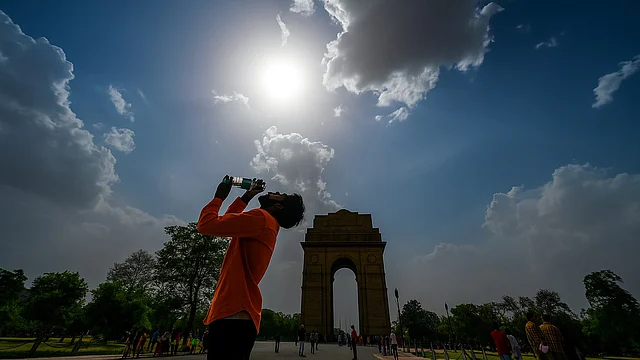
As the India Meteorological Department (IMD) issues an orange alert amid a prolonged and severe heatwave engulfing northern India, Delhi, the national capital, continues to reel under extreme heat conditions. Early June 2025 is seeing health, infrastructural, and energy need issues at an alarming level with temperatures near 46 degrees Celsius.
Rising temperatures in Delhi are one element of a larger tendency impacting many northern states, including Rajasthan, Haryana, and Uttar Pradesh. The IMDs orange warning indicates a greater danger of heat-related ailments and interruptions to daily life. Red alerts point towards emergency-level consequences, whereas orange alerts indicate a high-risk warning encouraging major public readiness.
While government advisories advise limited outside activity, more hydration, and usage of cooling shelters, schools have changed schedules or declared closures. Particularly among seniors and outdoor workers, the hospitals in the city have begun to notice an increase in heatstroke cases.
The urban infrastructure of Delhi is under great pressure. Particularly in low-income communities, water demand has gone over supply constraints. Widespread air conditioning use has sent electricity consumption to its highest levels, therefore generating questions about grid stability and power outages.
Additionally impacted are transport networks. Prolonged exposure to heat has degraded road surfaces; meanwhile, the Delhi Metro has assigned personnel to monitor platform temperatures and respond to passenger health issues. Local officials are installing misters in public spaces and handing out water bottles.
For those with respiratory issues, air pollution exacerbated by high temperatures resulting in ground-level ozone formation has made the situation worse. Daily life in the capital has become especially tough because of these combined risks.
Climate experts credit a mix of global warming and local temperature abnormalities for this exacerbated heatwave. Conditions are becoming worse as a result of insufficient pre-monsoon rainfall and the late start of the monsoon. Concrete structures, lack of greenery, and high population density cause urban heat island effect, which is increasing temperatures within the city.
Delhi has experienced similar situations before; however, over the last ten years the number and intensity of heatwaves have grown. The circumstances calls for accelerated urban climate resilience initiatives including tree planting campaigns, heat-reflective materials, green roofs, and better public cooling infrastructure.
Although government and municipal organizations are presently concentrating on near-term aid, long-term adaptation measures are essential to lower vulnerability in future summers. Key areas for development include integrating climate forecasts into urban planning, investing in decentralized cooling systems, and protecting vulnerable neighborhoods.
In conclusion:
June 2025 Delhis orange alert serves as a clear reminder of the city's growing susceptibility to severe heat. The capital has to change its infrastructure and public health systems to lessen the increasing dangers of heatwaves as the climate crisis worsens. Immediate aid must be combined with long-term resilience planning to enable the city to endure future climatic extremes without endangering public safety or economic activity.
Source: Outlook Business
What's Your Reaction?