IBA Seeks ₹10,000 Subsidy for Household Biogas Plants
The Indian Biogas Association seeks a ₹10,000 subsidy per household biogas unit to expand rural adoption, targeting lower LPG dependence and fuel imports. Execution challenges remain. The Indian Biogas Association proposes a ₹10,000 subsidy to promote household biogas plants, aiming to make clean energy affordable for 10 million rural homes. This could reduce emissions by 50% per household and save ₹5,000 crore annually on fuel imports. With only 5,000 units installed in 2024 due to high costs and maintenance gaps, the plan faces hurdles in funding, technician training, and consistent waste supply. Government focus on large-scale compressed biogas projects and bureaucratic delays could further impact implementation.
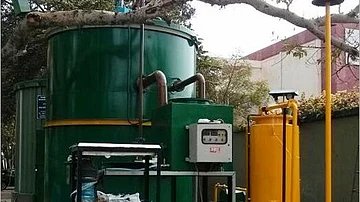
Aiming to increase rural sustainability, the Indian Biogas Association (IBA) is advocating a 10,000 per unit subsidy to advance family biogas systems. Although the plan supports India's green objectives, there are still implementation difficulties.
Biogas facilities turn organic waste into electricity and cooking fuel, so lowering dependence on LPG and lowering household emissions by 50%. With subsidies, the IBA estimates 10 million rural families might switch to biogas, therefore saving 5,000 crore annually on fuel imports. Though household plants (12 kW) lack direct incentives, Uttar Pradesh's Bio Energy Policy offers 2.5 crore per MW for bioenergy facilities. Making adoption feasible for low-income households, the suggested subsidy would reduce prices from $25,000 to $15,000 per unit.
Ten gigawatts is India's bioenergy capacity, while agricultural waste provides 40 GW possibility. Due to high costs and awareness gaps, only 5,000 family biogas plants were implemented in 2024. X posts show rural excitement but point out maintenance concerns as 20% of plants cease function in two years. Critics claim that particularly in isolated locations, erratic trash supply and absence of qualified personnel obstructs scalability.
With seven projects totaling 1,386 crore approved in Odisha, the governments concentrate on compressed biogas (CBG) facilities overshadowed house efforts. Although funding allocation and bureaucratic delays present hazards, a national subsidy could be in line with the 100 Smart Cities 10% renewable energy target. NGOs could improve outreach by means of alliances.
Addressing awareness, upkeep, and funding obstacles is vital for sustainable biogas adoption; the IBAs subsidy plan might revolutionize rural energy access.
Source: Outlook Business
What's Your Reaction?