Drought in Florida's Everglades Threatens Wildlife and Tourism
Florida’s Everglades faces a severe drought in 2025, leading to habitat disruption for wildlife and significant financial losses in the tourism sector. Low rainfall, ecological mismanagement and delayed restoration have worsened the impact on this vital wetland ecosystem.

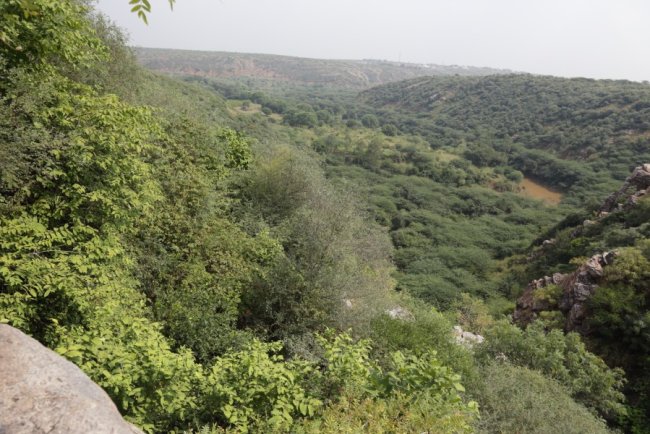
The Florida Everglades, the nation's largest wetland system, is reeling from severe drought that is affecting the local ecosystem as well as the tourism sector. As rainfall levels plummeted below normal over the past several months, vast areas of the Everglades have dried up. The resulting water shortages have intensified pressures on wildlife and suffocated businesses that depend on wetland-based tourism, particularly airboat tours, which are a main tourist attraction.
The Everglades, a fragile and unique environment hosting over 2,000 plant and animal species, relies on seasonal rains for hydrological balance. Its normal dry season, typically from October to around mid-May, has lasted longer than expected this year in 2025. Natural sources of water have been reduced to the barest minimum, and only artificial canals and waterways are currently accessed with remaining water. This has led to habitat loss and migration of aquatic and semi-aquatic creatures in search of a suitable environment.
Black bass and catfish populations are endangered by decline due to lowered water levels, which can limit breeding and feeding hours. Reptiles such as alligators, snakes and turtles have been forced to migrate, exposing them to heat stress and increasing mortality rates. These impacts indicate an ecological stability collapse that could have far-reaching consequences if rain is not resumed within the next couple of weeks.
The tourism industry is also suffering. Airboat tour operators in the south Everglades region have had to shut down for over a month, missing peak tourist seasons and incurring possible significant losses. Without elevated water levels to navigate through most of the natural waterways, earth-tourism-based operators are not able to conduct business. The drought has already cost operators in the region an estimated tens of thousands of dollars.
This year's dry spell was classified as among the most severe since 2009. Although the region usually experiences some arid months, this time the situation is more vital with a mixture of reduced rainfall and long-term environmental deterioration. Specialists have also attributed that the state of affairs was triggered by decades of water diversion and land use conversion, which altered the natural hydrology of the Everglades. Water naturally accumulated in areas north of the Everglades during wet months and flowed south in drier months, maintaining wetland conditions year-round.
Yet, in the last one hundred years, human manipulation through the building of canals, reservoirs and dams has disturbed these natural flows. Agriculture and urbanisation in southern Florida have caused compartmentalisation of the wetland system, so that the Everglades is now subject to water deficits. This man-made regulation of water resources has reduced the region's resilience to climate variability.
As a response, the state of Florida, joined by the support of federal agencies, initiated a huge Everglades restoration effort to remedy past mismanagement. It is an undertaking that involves the construction of infrastructure to manage and restore natural water flow into the Everglades from the north. The system includes storage reservoirs, spillways, water pumps, and other hydraulic structures which are designed to make the wetland more resilient during dry periods.
Despite all these efforts, benefits of the restoration project have not yet reached some regions, especially the ones that are relying on timely rainfall to sustain both ecosystems and livelihoods. Until the onset of the rainy season and sufficient precipitation returns, numerous communities and wildlife species remain at risk.
Recent official marking of the start of the rainy season has not yet been matched by weather patterns of expected increases in rainfall. Clear skies and steady warmth have prolonged drought, delaying any short-term relief to natural and economic processes. The next few weeks will prove critical to determining whether the Everglades can recover quickly or endure extended stress throughout its ecosystems.
Florida's situation illustrates the rising issue of climate change and wetlands management. Additional perturbation of water cycles, combined with growing temperatures and changes in precipitation patterns, leads to ecosystems such as the Everglades potentially being affected by more severe and repeated droughts. Conservation-oriented water management, habitat protection, and long-term conservation methods will be essential to preserve these natural environments and communities dependent on them.
Everglades drought is a reminder of the interconnectedness of climate, environment, and economy. Without a concerted attempt at restoring ecological balance and building resilience, the region will continue to experience disturbances that damage biodiversity as much as human livelihoods. Restoration of natural water flows and enhanced environmental protection efforts are critical moves towards ensuring the survival of the Everglades.
Credits:
Source: AFP
What's Your Reaction?