Early Monsoon Disrupts India’s Crop Prices
Unseasonal monsoon rains in India have damaged onion and tomato crops, leading to soaring prices and economic stress for farmers and consumers. Climate change, poor infrastructure, and limited crop protection have worsened the crisis. Government responses include subsidies, improved forecasting, and promotion of climate-resilient farming practices.An early monsoon in India has disrupted agriculture, spiking onion and tomato prices. Learn about the climate causes, economic impacts, and solutions for securing food supply and farmer resilience.
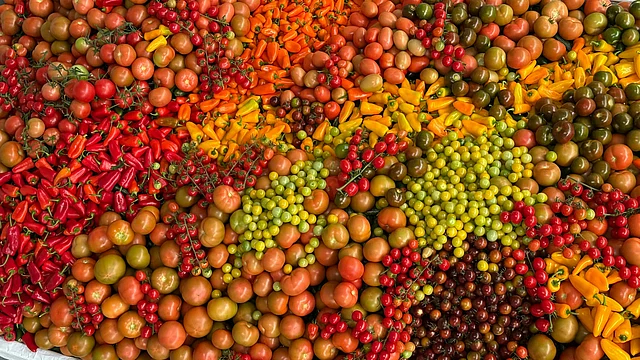
An early monsoon in India has triggered agricultural disruptions, driving up onion and tomato prices. Unseasonal rainfall has damaged crops, reduced supply, and strained markets. This article explores the causes, economic impacts, and potential solutions to this climate-driven challenge.
India’s monsoon typically arrives in June, but this year, heavy rains began in May, catching farmers unprepared. Key agricultural regions, including Maharashtra and Karnataka, have reported widespread crop damage. Onions and tomatoes, staple crops, have been hit hardest, with waterlogged fields reducing yields by up to 30%. This has led to a sharp increase in prices, with onions doubling in cost in some markets.
The early monsoon is linked to climate change, which disrupts traditional weather patterns. Warmer ocean temperatures in the Indian Ocean have accelerated monsoon onset, while erratic rainfall patterns complicate planting schedules. Other crops, such as rice and pulses, face similar risks, threatening food security in a country where agriculture employs nearly half the workforce.
Farmers are facing significant losses. Many lack insurance or access to modern irrigation systems to manage excess water. Small-scale farmers, who dominate the sector, are particularly vulnerable, with some abandoning damaged fields. The economic ripple effect is felt in urban areas, where higher food prices strain household budgets, particularly for low-income families.
Supply chain disruptions exacerbate the issue. Transportation of crops from rural areas to markets has been delayed by flooded roads, leading to spoilage and further reducing available produce. Wholesale markets report shortages, with retailers passing costs onto consumers. Inflation in food prices is a growing concern, with potential impacts on national economic stability.
Government response includes short-term measures like releasing buffer stocks of onions to stabilize prices. Subsidies for affected farmers are being considered, though distribution is slow. Long-term strategies focus on improving weather forecasting and developing climate-resilient crop varieties. Investments in drainage systems and storage facilities aim to reduce losses from unseasonal rains.
Adaptation is critical. Farmers are exploring raised-bed farming and greenhouse cultivation to protect crops from flooding. Research into drought- and flood-resistant seeds is progressing, though adoption is limited by cost and access. Extension services are training farmers on climate-smart practices, but scaling these efforts remains a challenge.
The broader economic impact includes reduced agricultural exports, which affect India’s trade balance. Domestic demand for staples like onions and tomatoes remains high, putting pressure on policymakers to act quickly. International collaboration on climate modeling could improve monsoon predictions, aiding preparedness.
Public awareness is growing. Consumers are urged to support local markets and reduce food waste to ease demand pressures. Community-driven initiatives, such as cooperative farming, are gaining traction as a way to share resources and mitigate risks.
Conclusion
The early monsoon in India highlights the vulnerability of agriculture to climate change. Addressing immediate price spikes and long-term food security requires investment in resilient farming practices, infrastructure, and forecasting systems. By adapting to shifting weather patterns, India can protect its agricultural sector and stabilize markets for millions of consumers.
Source:Business Outlook
What's Your Reaction?