On Earth Day 2026, NITRD in Delhi achieved ‘Zero Waste to Landfill’ status, setting a strong example of sustainable waste management in the healthcare sector.
On the occasion of World Earth Day, the National Institute of Tuberculosis and Respiratory Diseases (NITRD), under the Municipal Corporation of Delhi, has been officially recognised as a ‘Zero Waste to Landfill’ campus which shows an important step towards sustainable urban healthcare.
Covering a 27-acre plot of land in Delhi, NITRD produces about 1 to 1.2 tonnes of waste on a day-to-day basis, consisting of 500 to 650 kg of wet waste. The institute has managed to set an exemplary standard by complying fully with the 2026 guidelines for waste management in its role as a bulk waste generator.
This activity is a part of the flagship campaign of Why Waste Wednesdays Foundation called Swachh Sankalp.
A Structured Approach to Sustainability
The process started with conducting a comprehensive waste audit and baseline study of current waste patterns within the hospital. In accordance with the analysis results, some changes in the waste management processes and waste treatment facilities were proposed.
One of the key points of this project was the promotion of awareness among the hospital employees. About 50 training and capacity building sessions took place throughout the hospital staff from all departments.
Building a Zero-Waste Ecosystem
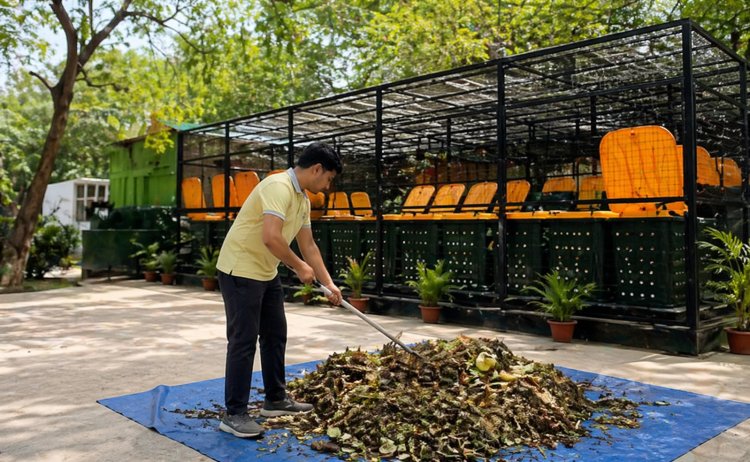
To ensure long-term sustainability, NITRD put in place a well-planned waste management system across the campus. A dedicated composting centre now processes biodegradable waste, while a strengthened dry waste facility handles sorting and recycling efficiently. Separate systems have also been introduced to manage horticulture and garden waste, ensuring that no category of waste is left unaddressed.
To further strengthen on-ground operations, composting units have been installed across the campus, along with shredders to process larger green waste. A real-time monitoring setup has also been introduced to track operations and improve efficiency.
In addition, the South Zone team of the Municipal Corporation of Delhi inaugurated 40 Aerobin composting units at the Mehrauli facility, further enhancing the institute’s waste processing capacity.
A Model for the Future
Not only does this mark an operational success but also an assurance to the world that even big organisations such as the health sector can embrace sustainability without affecting their efficiencies and patients' welfare.
In line with the objectives of Swachh Bharat Mission Urban 2.0, NITRD Initiative becomes a model for other healthcare centres in India.
On Earth Day in 2026, this historic event is a reminder that sustainability is possible through determination, dedication, and concerted effort.
What's Your Reaction?