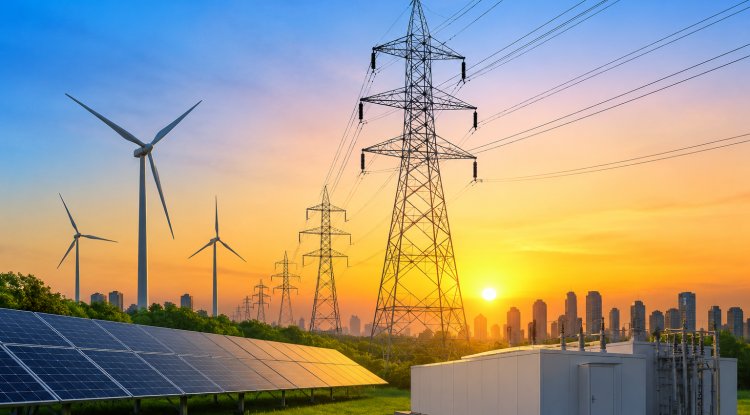
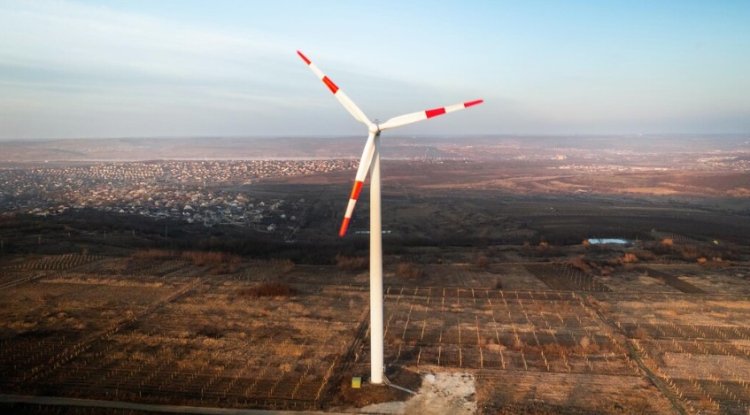
Engie’s renewable energy expansion plan in India highlights the growing role of wind repowering and upgrading existing clean energy assets to support future capacity growth.
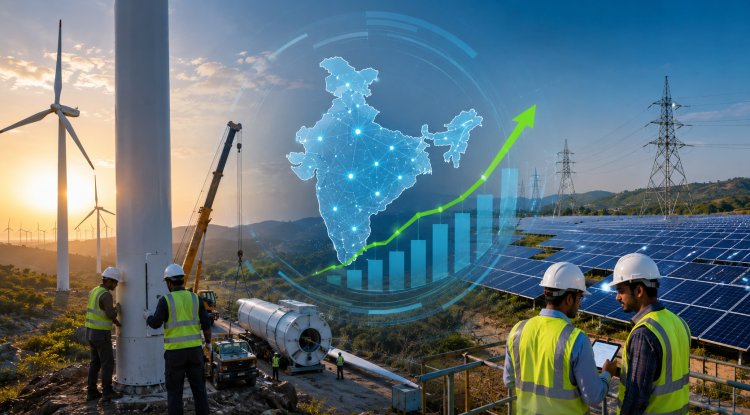
The expansion of renewable energy generation has increased demand for land and infrastructure. Developers have traditionally sought large areas of undeveloped land, installed large-scale infrastructure, and built solar projects or wind turbines. As the clean energy transition continues to mature, however, major global energy companies are beginning to consider how existing renewable assets can support future growth. This changing attitude is evident in French energy major Engie, which has unveiled an investment strategy for India, committing to invest up to four billion euros by 2030 in India. In addition to looking for new sites, an important part of this multi-billion-dollar effort is an approach focused on upgrading existing renewable assets.
With this massive investment, Engie hopes to expand its portfolio of renewable energy to 5GW in India within the next few years, with an additional 1GW of clean energy each year. The move aligns with India's target to achieve 500 GW of non-fossil fuel capacity by 2030. While the company has focused significantly on India's growing solar market, the key driver of this new strategy is its strategic entry into the wind market. Engie is shifting its focus from the significant logistical and regulatory challenges of finding vast new greenfield sites to a growing industry trend called wind repowering.
Repowering addresses a challenge faced by early wind energy projects. Decades earlier, in regions such as Tamil Nadu, the state started using wind energy, and many wind turbines have been operating since the 1990s. These older turbines are situated in some of the most favourable wind corridors of the country but often use older designs with lower efficiency compared with modern high-capacity turbines. Repowering involves moving onto these well-established brownfield sites, removing older and less efficient turbines, and installing modern wind turbines that can utilise wind resources more efficiently. It is similar to replacing an older appliance with a more efficient model without requiring a complete overhaul of the surrounding system.
This approach follows recent regulatory changes. Previously, upgrading these older assets was challenging due to land lease agreements and policies that restricted maximum production per site. The Indian government has recognised the potential in these existing wind corridors and has changed approval guidelines to allow the deployment of high-capacity turbines. These policy changes have helped move wind repowering from a concept towards a potential business opportunity. The financial advantages are clear for international companies such as Engie; brownfield sites offer benefits such as existing road access, established grid connections, known weather conditions, and potentially faster returns compared with building projects from the ground up.
Engie's billion-euro pledge comes at a time of increasing competition in India's energy sector, with domestic energy companies such as Adani Green Energy and ReNew Power establishing a strong market presence. When major foreign direct investment or advanced engineering technology enters the market, it can support broader industry development. It provides an example for other global utilities to evaluate their renewable energy assets and consider ageing infrastructure as potential opportunities for improvements and expansion.
There will also be challenges in implementing this plan. Engie will continue to face issues related to India's regulatory landscape, integration with the local grid, and ensuring that upgraded power generation capabilities align with existing transmission infrastructure. However, Engie's approach reflects another aspect of the energy transition, one focused on resource efficiency and optimisation of existing assets. It highlights that achieving climate targets is not only about developing new projects but also about improving legacy infrastructure and utilising the potential of existing renewable energy assets.
What's Your Reaction?