A UN report warns that climate change is increasing the frequency and intensity of floods worldwide, threatening communities, infrastructure, public health and economic development while highlighting the need for stronger resilience measures.
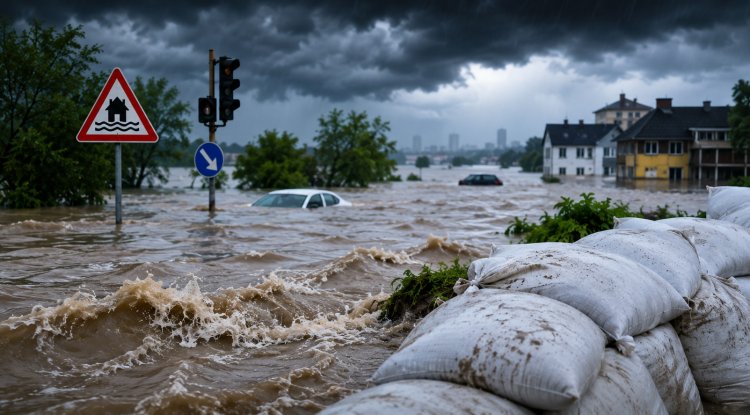
Floods are becoming more frequent and intense globally, affecting people, infrastructure and development progress, particularly in low-lying countries, according to a report released by the United Nations (UN).
According to the United Nations Office for Disaster Risk Reduction (UNDRR), the rising flood magnitudes is attributable to climate change such as the increase in precipitation, sea level rise and extreme weather events in some areas. These events are straining existing infrastructure and disaster preparedness systems, leading to an increase in the number of people displaced, economic losses and to the threat to public health.
Floods account for one of the largest shares of climate-related disasters, the report said, affecting millions of people each year. In situations where natural or engineered barriers are overcome by flood waters, communities may be stranded with no access to clean water, sanitation, electricity and essential services, which exacerbate the humanitarian and public health problems.
The impacts are disproportionate and have affected the most vulnerable and low-income groups, who may be in high-risk areas and lack protective infrastructure and early warning systems, UN officials said. Communities are also subjected to floods frequently which can have negative impacts on their livelihoods, on their education and on their vulnerability to water-borne diseases.
The results also indicate high economic costs. In large floods important facilities such as roads, bridges, hospitals, schools etc. are badly affected and prevent development work, thereby aggravating the strain on the financial budget. In most instances, reconstruction takes resources away from other vital needs, exacerbates inequalities and lowers resilience.
The UN has urged nations to strengthen the NbS approaches to flood risk management, and incorporate them into other instruments including improved land-use planning, NbS investment, and NbS. Future impacts can be mitigated through wetland restoration, river bank stabilization and through the consideration of flood risk in urban design.
The report highlights the fact that climate change exacerbates the threats from flooding, but adaptation and collaboration between countries and between local communities and the state can save lives, protect communities and limit economic losses. Governments, scientists and civil society organisations are urging the need to step up action to create climate-resilient societies to cope with the increasing tide of climate-related floods.
What's Your Reaction?