India is aiming to increase textile exports to $100 billion by 2030 by promoting sustainability, expanding free trade agreements, and enhancing the global competitiveness of its textile industry.
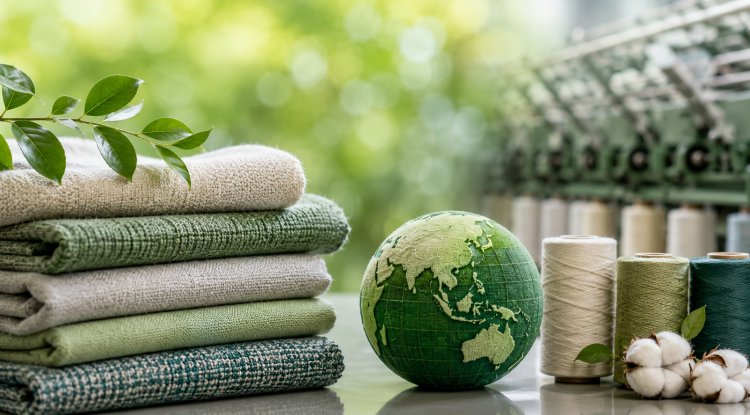
India aims to increase textile exports to $100 billion by 2030, with a renewed focus on sustainability, more comprehensive free trade agreements (FTAs) and improved competitiveness in global markets, textile industry representatives and government officials said on Friday.
The ambitious target comes amid changing trade patterns, where consumers are pushing for sustainable and compliant products. It has been pointed out that with the push for the textile industry to meet environmental, social and governance (ESG) standards such as cutting carbon footprint, using resources responsibly and maintaining transparency in the supply chain, it will be essential to secure greater market share.
The government has taken proactive steps to strengthen ties through trade, and increase FTAs so as to have preferential access to its textile products in strategic geographical areas such as Europe, North America, South East Asia and Africa, according to officials. It is expected that through these agreements, the impediments to trade will be reduced and compliance with foreign standards will be facilitated.
According to a senior official in the commerce ministry, the global textile market is going through a phase of transformation where parameters other than price and quality have become equally important, particularly sustainability. “We will not just focus on boosting exports but also ensure that Indian textiles are seen as sustainable, competitive and future-ready,” the official said.
Industry associations are also advocating for measures to enable small and medium enterprises (SMEs) – the backbone of the textile industry – to modernise, move towards green production and meet the high demands for sustainability. Some of the actions taken are capacity building, access to finance for clean technologies, and alignment with global certification frameworks.
Export opportunities linked to sustainability are gradually gaining momentum, according to analysts, as global companies include environmental considerations in their procurement and sourcing processes. India's drive towards sustainability is viewed not just as an economic opportunity, but also as a strategic imperative.
The textile industry, being one of the country's largest employers and a significant contributor to India's merchandise exports, has been resilient in the face of global headwinds. As the world becomes more interested in buying ethically sourced, low-impact textiles, stakeholders believe that India's holistic approach of FTAs and sustainability will significantly drive India's export growth over the coming decade.
What's Your Reaction?