Levi’s commitment to sustainability includes innovative water-saving techniques, the use of organic cotton, and recycled denim. Learn how the company is leading the way in eco-friendly fashion production and reducing waste.
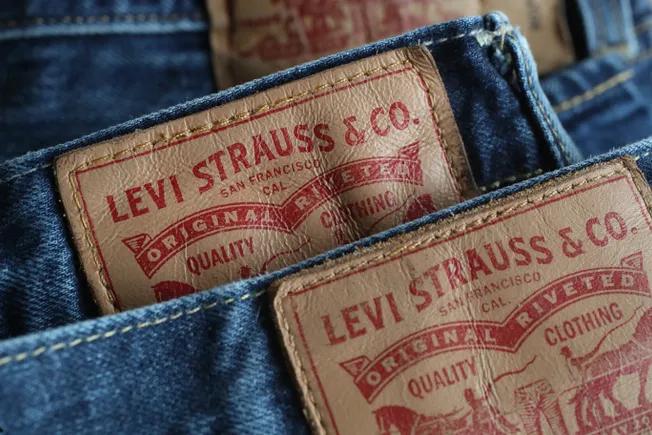
Levi Strauss & Co. has long been recognized for its role in the fashion industry, and its commitment to sustainability has become a central focus of the company’s operations. As environmental concerns grow, Levi’s has taken significant strides toward reducing its environmental footprint, implementing various sustainable practices in denim production. These initiatives not only reduce waste and conserve resources but also set a benchmark for the fashion industry to follow. By prioritizing sustainable materials, cutting-edge water-saving techniques, and promoting circularity in clothing production, Levi’s aims to make a meaningful impact on both the environment and the lives of those who create its products.
One of Levi’s most significant innovations is its Water
Another crucial element of Levi’s sustainability strategy is its commitment to using organic cotton. Conventional cotton farming requires large quantities of pesticides and synthetic fertilizers, both of which harm the environment and the workers involved. Organic cotton, on the other hand, is grown without these harmful chemicals, making it a more sustainable option. Levi’s is working to increase the percentage of organic cotton used in its products, with the goal of sourcing 100% of its cotton from sustainable sources in the future. This move is part of the company's broader commitment to reducing its reliance on harmful agricultural practices and promoting more eco-friendly alternatives.
In addition to organic cotton, Levi’s is leading the charge in promoting recycled denim. The company has introduced products made with fabric that is partially or fully recycled, using old denim to create new styles. By embracing circular fashion, Levi’s helps to reduce waste and decrease the need for virgin materials. The company’s efforts to recycle and repurpose denim are part of a growing movement within the fashion industry toward creating closed-loop systems that minimize waste and extend the lifespan of garments.
Levi’s also focuses on reducing waste throughout its production process. The company has implemented a zero-waste policy in its manufacturing plants, striving to divert all its waste from landfills. This includes the reuse of materials and repurposing by-products, which further contribute to the company’s sustainability goals. Additionally, Levi’s has made strides in promoting fair labor practices by ensuring workers across its supply chain are paid fairly and treated with respect. The company is committed to working with suppliers who share these values and uphold high standards for both environmental and social responsibility.
In terms of product innovation, Levi’s continues to push the boundaries of sustainable fashion. The brand has partnered with other companies to explore new materials and techniques for making its products more eco-friendly. For example, Levi’s has developed jeans made with Tencel™, a fiber made from sustainably sourced wood pulp. Tencel™ is biodegradable and requires less water and energy to produce compared to traditional fabrics. These innovative collaborations are essential for driving the fashion industry toward a more sustainable future.
Overall, Levi Strauss & Co. is taking proactive steps to reduce its environmental footprint and promote sustainable practices in the fashion industry. Through initiatives like water-saving technologies, the use of organic cotton, and a commitment to recycling and waste reduction, Levi’s is leading the way in the transition to a more sustainable future. As the fashion industry continues to evolve, Levi’s remains at the forefront of creating responsible, high-quality denim products that consumers can feel good about wearing.
Conclusion
Levi’s commitment to sustainability sets a strong example for the fashion industry and proves that style and sustainability can go hand in hand. The company’s ongoing efforts to reduce water usage, promote organic cotton, recycle denim, and minimize waste are a testament to its dedication to environmental stewardship. As more consumers become aware of the environmental impact of their purchases, brands like Levi’s will play a crucial role in shaping the future of fashion. By continuing to innovate and prioritize sustainability, Levi’s is helping to create a world where fashion doesn’t come at the expense of the planet.
What's Your Reaction?