The Mediterranean experienced record heat in July 2025, with temperatures up to 48°C, driven by climate change and warmer seas. Wildfires, crop failures, and 1,500 heat-related deaths hit Spain, Italy, and Greece. Agricultural losses reached €2 billion, and tourism dropped 15%. With 40% of homes lacking air conditioning, the heat exposed infrastructure gaps. The EU Green Deal allocates €500 billion for adaptation, but implementation lags. Green spaces, solar-powered cooling, and community-led water management—like India’s Wular Lake model—offer solutions. Urgent global action is needed to prevent worsening climate impacts.

A record-breaking heatwave in the Mediterranean, with temperatures 8°C above average in July 2025, underscores the intensifying impacts of climate change. The region faces ecological and economic challenges, with lessons for global adaptation.
Southern Europe, including Spain, Italy, and Greece, recorded temperatures exceeding 40°C, with some areas reaching 48°C, the highest since 1977. The heatwave, driven by a high-pressure system and warmer Mediterranean Sea temperatures (up 3°C), caused wildfires, crop failures, and 1,500 heat-related deaths. The IPCC notes that every 1°C rise increases extreme heat events by 30%. Agriculture losses, particularly olives and grapes, reached €2 billion, with 20% yield reductions. Tourism, contributing 10% to GDP, dropped 15% due to extreme conditions.
Climate change amplifies moisture retention, increasing wildfire risks by 25%. Inadequate cooling infrastructure, with 40% of southern European homes lacking air conditioning, exacerbates health risks. Posts on X highlight public frustration over delayed government responses. India, facing similar heatwaves, could adopt Mediterranean strategies like urban green spaces, reducing heat by 2°C.
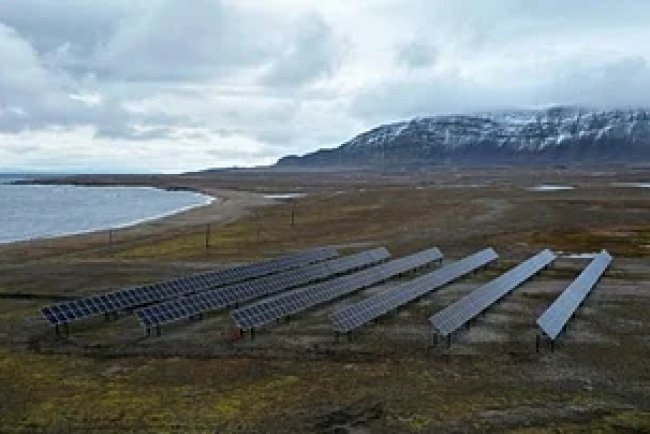
The EU’s Green Deal allocates €500 billion for climate adaptation, but funding gaps persist for smaller nations. Renewable energy, like Spain’s 50 GW solar capacity, could power cooling systems, but grid upgrades lag. Community-led reforestation and water management, as seen in India’s Wular Lake, offer scalable solutions.
The Mediterranean heatwave signals a need for urgent climate action. Global cooperation and investment in adaptive infrastructure are vital to mitigate escalating risks.
Source: Outlook Business
What's Your Reaction?