Water ATMs in Ooty; Practical Solution to Pollution
Ooty’s water ATM initiative is reducing plastic waste by providing an affordable, sustainable alternative to bottled water while promoting responsible tourism and long-term water security.
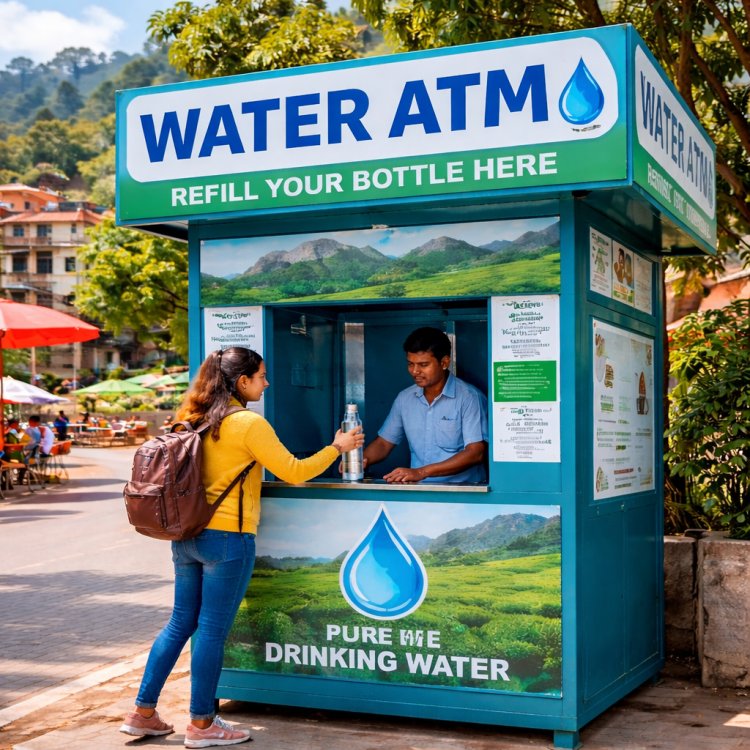
Ooty has installed water ATMs across key locations to tackle the problem of plastic pollution which allows residents and tourists to refill drinking water instead of relying on single-use plastic bottles. While it seems like an easy solution, it does address an underlying concern of many hill stations where there is an abundance of plastic due to the absence of better alternatives for water.
Being one of the favourite tourist destinations in the year, Ooty experiences a considerable amount of plastic trash, and one of the major contributors to the same is the packaged drinking water. By providing drinking water in the water ATMs at a nominal cost, the government is addressing the issue in the best possible way.
These water ATMs work much like normal cash ATMs that tourists are used to. Tourists can refill their containers with water obtained from water ATMs that cost around ₹10. It is famous on social networking site Instagram on account of a video showing tourists using water ATMs that showed how fast and economical this service is.
According to the Nilgiris District Administration (Tamil Nadu Government), water ATMs are already placed all over the district as part of the efforts to make the Nilgiris Plastic Free. The administration has used the water ATMs as no-plastics public utility even after restricting the use of plastics.
However, apart from minimizing plastic waste, there are other societal and environmental themes linked to the water ATM initiative. Creating job opportunities can be attributed to the project since kiosks are maintained by attendants from the locality. Additionally, the initiative provides an opportunity to vendor stalls to resell refill containers. This is opposed to bottled water sold by corporations.
The scheme is also encouraging a behaviour change. By making refilling rather than buying a disposable bottle the norm, Ooty is encouraging visitors, as well as locals, to consume in a more sustainable manner, which has a positive impact that may reach beyond the boundaries of the town, as visitors take their newfound habit home.
From an environmental standpoint, fewer plastic bottles would mean fewer clogging of water drains, particularly during the monsoon season. In this manner, water ATMs contribute to making water ATMs an indirect support of water resilience in dealing with a hillside ecosystem saturated with waste.
Another under-reported benefit would be the possibility of data-driven governance that Water ATMs can facilitate. They would be able to monitor the usage trend of the public and thereby help the concerned authorities understand the peak points of demand and evaluate the efficacy of the strategies implemented in the aim of reducing the usage of plastics.
Ooty has shown a working example that other tourist spots can easily follow. Many other hill stations such as Munnar, Kodaikanal, Darjeeling, or any hill station across Himachal, suffer from plastic waste due to tourism. With proper government support and by installing water ATMs, these places can reduce their dependence on plastic bottles while providing easy access to drinking water for visitors. They can connect to rainwater harvesting, or even alternate sources of energy, making them more sustainable. This will not only reduce water waste but also improve water security where water is limited.
The thing that makes the Ooty approach different from other environmental efforts is that it goes beyond the symbolical level of environmental protection. That is, instead of only asking people to avoid using plastic, it provides practical and affordable alternative by providing clean drinking water that encourages people to change their behaviour naturally.
What's Your Reaction?