Researchers at MIT-WPU have developed a solar thermal battery that stores heat in phase change material and supplies hot water for up to 14 hours after sunset.
Scientists at MIT World Peace University (MIT WPU) have invented an innovative solar thermal energy storage system that stores heat for utilization even after sundown and supplies hot water for 14 hours without further requirement of the sun's energy.
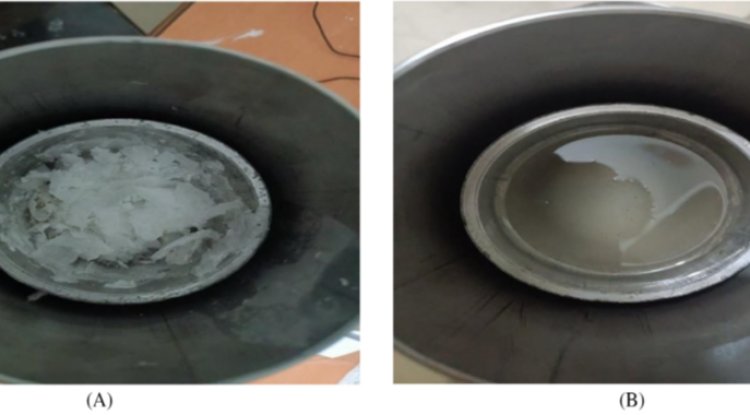
The system uses a Scheffler solar concentrator and a thermal storage capsule filled with paraffin wax, a phase change material that absorbs and releases heat during melting and solidification. The research was carried out by Dr. Anita Nene and Dr. Rohit Ghadge from the Department of Mechanical Engineering.
According to the researchers, the system stores thermal energy instead of electricity. It includes a detachable phase change material tube, a water-jacket heat transfer arrangement, and polyurethane insulation to reduce heat loss.
The laboratory results revealed that the prototype charged itself through thermal processes within 18 minutes while discharging within 32 minutes. The storage capacity was from 1.5 kWh to 2 kWh of thermal energy, maintaining water temperatures of 50-60°C for as much as 14 hours post-charging.
The researchers said the system recorded a thermal efficiency of about 55% during testing.
The technology was evaluated through Computational Fluid Dynamics (CFD) simulations and laboratory experiments. According to the research team, it has reached Technology Readiness Level (TRL) 7 and is being prepared for pilot deployment.
An Indian patent application titled "Solar Energy Storage Capsule Using Phase Change Material" has been filed under Application No. 202521118546.
The researchers said the technology could be used in residential buildings, hotels, hospitals, hostels, educational institutions, industrial heating systems, community kitchens, agricultural facilities, and off-grid locations where access to conventional energy sources is limited.
Dr. Anita Nene said the project focused on storing solar heat so that it could be used after daylight hours. Dr. Rohit Ghadge said thermal energy storage could reduce dependence on conventional fuels used for water heating.
According to the researchers, replacing electric water heating with the system could lower carbon emissions by an estimated 2.5 to 3 tonnes each year, depending on operating conditions. Field trials are planned before larger-scale deployment.
What's Your Reaction?