A new study finds that plastic-based wet wipes break down into microplastics in rivers, highlighting gaps in labelling, disposal practices, and growing freshwater pollution risks.
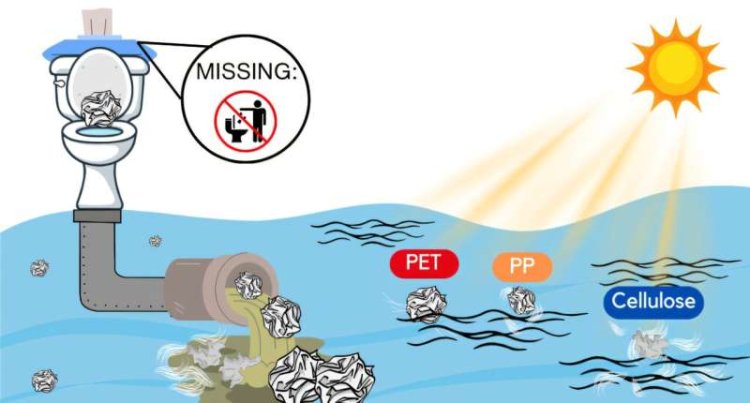
Improper disposal of wet wipes is one of the major reasons for microplastic pollution in rivers. New research has shown that plastic-based wet wipes can lead to microplastic pollution in rivers.
A new study published in ACS ES&T Water has analyzed the disposal of wet wipes in rivers and how they can lead to microplastic pollution. The research has shown that wet wipes flushed through toilets can enter rivers and lead to microplastic pollution.
Wet wipes have been identified as one of the major contributors to river pollution. When researchers collected wet wipes from the Don River in Toronto, they found that they accounted for nearly one-quarter of all waste collected from the river. Wet wipes are considered to be one of the major contributors to river pollution.
Researchers analyzed the composition of wet wipes collected from the river and found that nearly 99% of them contained plastic materials such as polypropylene and polyester. Plastic materials take longer to degrade in nature and lead to microplastic pollution in rivers.
Consumer behavior and labeling were also cited by the researchers. For example, wipes are labeled “flushable,” but only some products provide information about their composition. Of the 72 products analyzed, only “less than 10% of products provided information about their materials.” In addition, the study found that “disposal information provided by wipes varies widely.”
The study included experiments performed under laboratory conditions. All wipes, regardless of composition, were found to shed fibers under environmental conditions. Cellulose wipes decomposed faster than synthetic wipes. In addition, synthetic wipes produced more stable microplastic fibers. Exposure to sunlight and water increased the rate of wipes’ decomposition.
The study cited the already existing problem of microplastic fibers in global water systems. They have already been shown to have adverse effects on aquatic organisms. Previous studies have already identified these fibers in drinking water and even in remote areas. This problem has already sparked concerns about its future effects on the environment and on human health.
The study points out a new source of pollution that has not yet gained enough attention when discussing plastic waste.
While this study is based on one river system, it suggests that there is a global problem related to single-use plastic products being introduced into our freshwater systems through our daily habits.
What's Your Reaction?