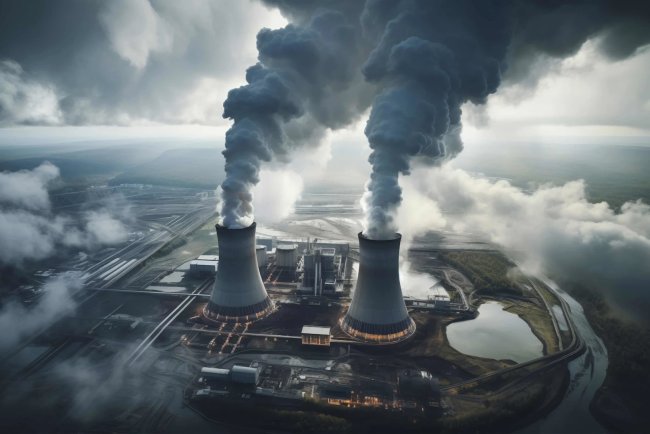
UN agencies have warned that intensifying climate hazards and a potential El Niño event could worsen food insecurity, displacement and economic hardship across some of the world's most vulnerable regions.
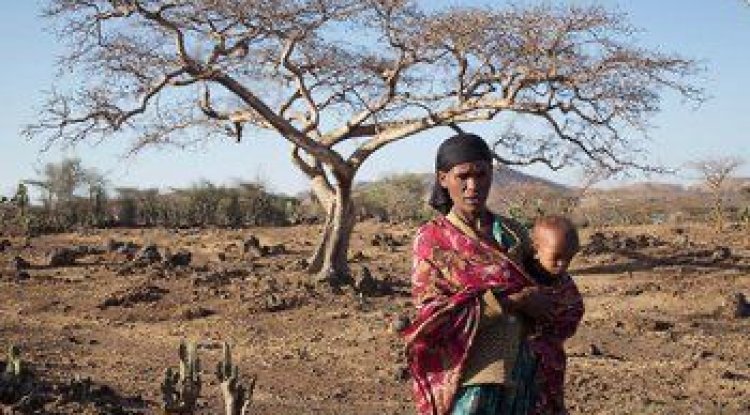
UN agencies have warned that some of the world's most vulnerable areas face a growing threat from extreme weather, and could face another major shock for millions of people already dealing with hunger, displacement and economic hardship.
The World Meteorological Organization (WMO) has released new data indicating that climate hazards intensified across Africa in 2025, impacting over 13 million people and resulting in over 3,000 recorded deaths across the continent.
Flooding remained the most common climate hazard, accounting for more than 50% of reported weather-related events. In Nigeria, severe flooding in May resulted in more than 200 deaths, whereas in the Democratic Republic of the Congo in April, more than 160 people lost their lives due to flooding. Meanwhile, drought worsened the lives of people in parts of East Africa.
Since 1999, sea level rise has been greater along parts of the coastline of Africa than the global average, and the rate of glacier retreat has been faster than the global average. The ice cover on Mount Kilimanjaro has shrunk from 11.4 square kilometres in 1900 to less than one square kilometre today.
In this context, FAO and WFP are warning of another round of disruptions caused by the likely intensification of the El Niño weather phenomenon, which could lead to drought in some areas and heavy flooding in others, threatening crops, livestock, water supplies and food production in Africa, Asia, the Pacific and Latin America during late 2026 and into next year.
In response, FAO and WFP initiated their first-ever Joint Anticipatory Action Appeal for $202 million to help nearly 8.8 million people prepare for the impacts of El Niño and helping them prepare in advance for the event, rather than responding only after disasters occur.
WFP’s Acting Executive Director Carl Skau cautioned that the international community only has a short window of opportunity to avert a major food crisis, saying: “What we have now is the potential to predict these crises, but it's what we do in response to that prediction.
What's Your Reaction?