FIDH Urges Human Rights Focus at Bonn Climate Talks Before COP30
FIDH urges nations at Bonn climate talks to focus on just transition, climate reparations, and environmental defender protection ahead of COP30 in Brazil. Key issues include rights-based climate action, Loss and Damage Fund reform, and civic space concerns.
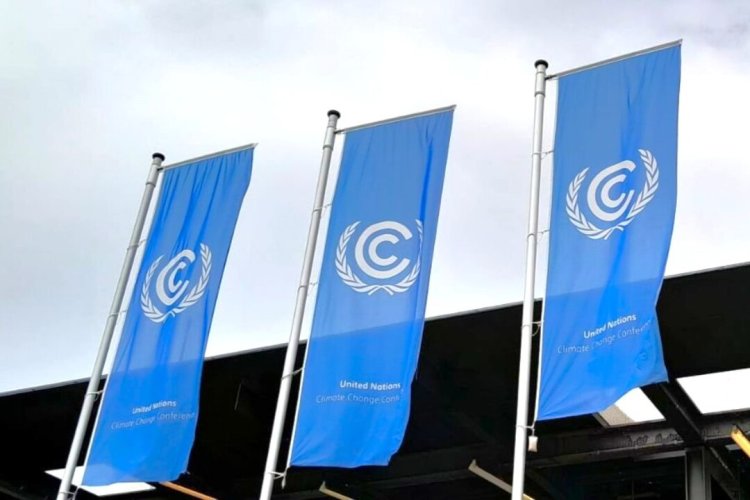
The International Federation for Human Rights (FIDH) requested governments to include values of human rights in climate policies during the current United Nations climate negotiations in Bonn, Germany. The negotiations are session 62 of the Subsidiary Bodies (SB62) of the UN Framework Convention on Climate Change (UNFCCC) and are determining the ground for COP30 which will be happening in Brazil later this year.
FIDH, in its first official observer status, has highlighted three areas of priority concern: a fair transition based on international human rights law, climate reparations to impacted communities, and the protection of environmental human rights defenders. The organization is acting together with the Human Rights and Climate Change Working Group (HRCC-WG) to call for action and greater accountability on these matters.
The group emphasized that a just transition based on human rights be applied as the world moves away from fossil fuels. It called for any transition to be in accordance with international human rights commitments, and to realize human rights to equality, decent work, and a healthy environment. Resurfacing deadlocks in the UNFCCC's Just Transition Work Programme, which were initiated last year during the climate summit in Azerbaijan, have given rise to eyebrows over the legitimacy of climate commitments. FIDH and its allies aim to reverse this by calling for a moratorium to set up a "Belem Action Mechanism" that promotes broad representation by trade unions, Indigenous communities, and other people directly impacted by climate policy choices.
FIDH also demanded urgent action on climate reparations, specifically for developing country communities that are suffering from loss and damage. Drawing attention to the historical high-emitting nations, the organisation is advocating for a re-casting of the Loss and Damage Fund to offer direct, community-level compensation. This is grounded in existing trends under international law such as proceedings before the International Court of Justice and other international courts.
Another primary issue raised by FIDH is mounting violence and repression against environmental human rights defenders, particularly in the Global South. Civil society information quoted by the organisation document that no less than 1,900 environmental defenders have been murdered since 2012. The organization is urging the declaration of an specialised negotiation stream at the UNFCCC formally recognising and safeguarding environmental defenders. They are equally susceptible to gender violence and displacement that the HRCC-WG has proposed be included in the new Gender Action Plan to be adopted later this year.
FIDF has also denounced rising applications of such technologies as carbon capture and carbon markets as ineffective and even hazardous. The group believes that such technologies just postpone immediate emissions reductions and promote more land disputes and abuse of community rights. The organization instead calls for an accelerated and financed phase-out of fossil fuels, particularly by affluent countries with heavy pollution history.
This is a pivotal year in the international climate schedule as nations are going to deposit their updated NDCs under the Paris Agreement. FIDH calls for these climate plans to be grounded in human rights tools. COP30, the inaugural UN climate conference to take place in the Amazon, in Belém, Brazil, this year is of seminal importance. Regional leaders are calling for new oil and gas development to stop in the rainforest, placing more pressure on the negotiators to make sure that frontline communities are heard.
HRCC-WG further raised an alarm regarding civic space limitations in climate talks. Special reference has been made to the situation of Palestinian activists and campaigners, requesting the German government to ensure freedom of expression and freedom of peaceful assembly during SB62. The organization has referred to the Gaza crisis as an environmental and climate devastation, using the word ecocide to denote the devastation.
FIDH has set out that human rights should be at the forefront of any response to climate change if the world is to directly confront the climate crisis. The organization believes that climate policy should be supportive of other international legal commitments, such as under human rights law.
The Bonn sessions run until 27 June and will largely determine the agenda of COP30, held in November 2025.
Source
Original article by Nirmal Menon for ESG Times, published 16 Jun 2025. Photo Credit: Lucia Posteraro | FIDH
What's Your Reaction?