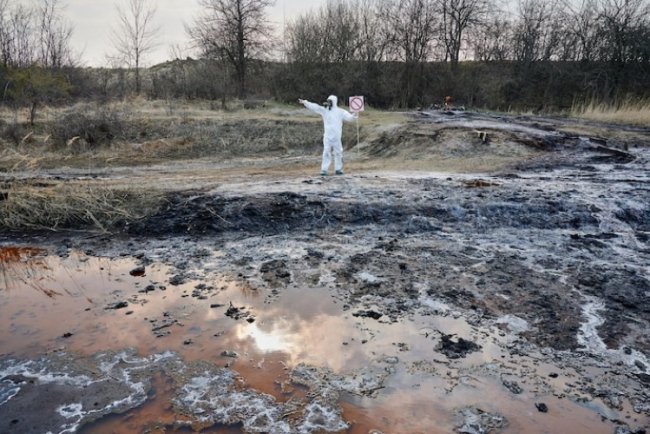
Fossil fuel reliance drives inflation and risk, UN calls for urgent shift to stable clean energy systems
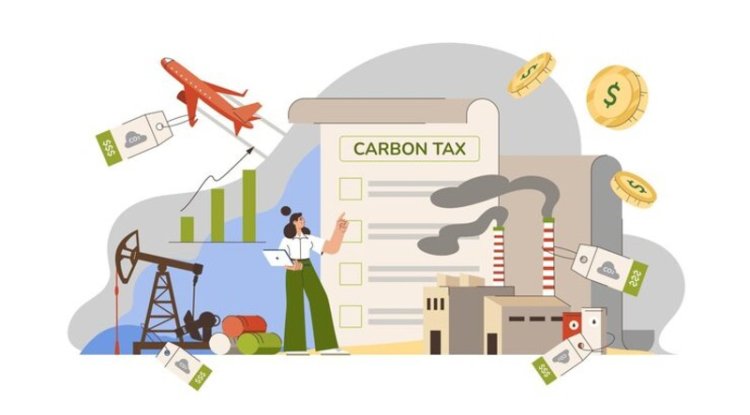
Rising reliance on fossil fuels is worsening a global cost crisis. Geopolitical shocks are driving inflation, food shortages, and economic instability, according to the United Nations. This situation emphasizes the urgent need to speed up the shift to cleaner energy systems. Key themes affecting the crisis include the fossil fuel crisis, clean energy transition, global inflation, energy security, and renewable energy investment.
Global markets face increasing pressure as energy price swings impact essential sectors. Policymakers and financial leaders are now looking at energy systems in terms of stability and resilience, with the fossil fuel crisis, clean energy transition, global inflation, energy security, and renewable energy investment becoming central to economic decisions.
Geopolitical Shocks Drive Economic Strain
Rising geopolitical tensions, especially conflicts impacting oil and gas supply routes, have led to sharp increases in global energy prices. The International Energy Agency has called this situation one of the most serious threats to global energy security in history.
These disruptions are affecting economies worldwide. Higher fuel prices are raising transportation and production costs, which in turn are increasing food prices and straining household budgets. The World Food Programme has warned that global hunger levels could hit record highs as affordability worsens.
Countries with existing vulnerabilities are feeling the sharpest impacts. In Somalia, prices for essential goods have jumped by at least 20 percent due to drought conditions. Meanwhile, the Philippines has declared a national energy emergency as supply pressures mount.
Energy Dependence Raises Sovereignty Concerns
The crisis has revealed deeper risks tied to fossil fuel reliance. Beyond financial implications, being dependent on fossil fuels is increasingly seen as a national security issue.
Simon Stiell notes that fossil fuel reliance makes countries vulnerable to external shocks, undermining their sovereignty and economic stability. Nations that depend on imported fuels face ongoing cycles of disruption as geopolitical tensions evolve.
Despite these dangers, some governments still support increased fossil fuel production. Climate leaders warn that this approach might trap economies in lasting volatility, making them more vulnerable to future crises.
Climate Impacts Add Economic Pressure
Fossil fuels are a significant driver of climate change, adding to financial risks through extreme weather events. Climate-related disasters are already causing major economic losses around the globe.
In Mozambique, tropical cyclones have inundated large agricultural areas, affecting over a million people. In California, wildfires caused damages surpassing $60 billion last year, highlighting the rising costs of climate-related disruptions.
These events are also upsetting global supply chains, further contributing to inflation and economic instability across various regions.
Clean Energy Emerges as Strategic Solution
The shift to renewable energy is increasingly seen as both an environmental and economic solution. Clean energy sources like solar and wind provide stability by reducing exposure to geopolitical risks and fuel supply issues.
Unlike fossil fuels, renewable energy systems rely on local resources, enabling countries to boost their energy independence. This structural advantage is leading to real economic benefits in several markets.
China is expected to save more than $28 billion each year on oil imports by expanding electric vehicles. Pakistan could cut gas import costs by up to $7 billion annually by 2026 through rapid solar adoption. In Spain, renewable energy deployment is driving some of the lowest electricity prices in Europe.
Investment Gap Threatens Progress
Global investment in clean energy has increased, exceeding $2 trillion each year and outpacing fossil fuel financing. However, the distribution of capital is still uneven.
Developing economies, most at risk from climate change, receive a smaller share of funding than they need. This imbalance is slowing the energy transition in the regions that require it most.
International institutions and developed nations are being called upon to boost financial support to ensure that affordable capital reaches vulnerable economies. Closing this gap is deemed essential for both climate goals and global economic stability.
Climate Cooperation Gains Strategic Importance
Cooperation on climate issues is increasingly viewed as a way to manage economic risk. Global climate frameworks have already helped change energy investment trends and reduce projected temperature increases.
Recent commitments include major funding for grid infrastructure and energy storage, aimed at supporting renewable energy integration. Further advancements are expected at upcoming international climate summits organized by groups like the United Nations Framework Convention on Climate Change.
Businesses Face Structural Energy Risks
For corporate leaders and investors, the message is straightforward: energy volatility is now a structural issue rather than a temporary one. Ongoing exposure to fossil fuel markets poses increasing geopolitical and financial risks.
On the other hand, clean energy investments provide cost predictability, regulatory consistency, and long-term resilience. Companies that speed up their transition strategies may gain a competitive edge in an increasingly uncertain global environment.
The speed of the clean energy transition will significantly shape future economic stability. As global markets adjust, moving away from fossil fuels is not just an environmental need, but a strategic requirement for continued growth and resilience.
What's Your Reaction?